What the InnoWAP project has to do with Lake Neusiedl – and why action is needed now
InnoWAP – Aquatic plants as a resource
The InnoWAP project. Lake Neusiedl – a UNESCO World Heritage Site, natural paradise, and economic engine of the region – is under immense pressure. The latest report from the Court of Auditors clearly shows that many of the recommended protective measures have not yet been implemented, or only inadequately. The consequences are dramatic: desertification is progressing, the salt lakes are disappearing, and with them, a unique ecosystem.
In a very interesting post on LinkedIn, Armin Winter (BOKU) analyzes the report's key criticisms and calls for decisive action. His analysis shows that new, holistic approaches are needed to reconcile nature and the economy.
The Court of Auditors’ main criticisms
• Lack of measures to renature the salt lakes
• No measuring systems for groundwater extraction
• Inadequate wildlife management and lack of hunting restrictions
• Deficiencies in fertilizer storage with potential danger to groundwater
• Standstill in the expansion of the national park
This is where the InnoWAP project comes in – with Naku as a committed project partner
At Naku, we are convinced that real solutions emerge where ecological responsibility and economic innovation go hand in hand. As a project partner in the InnoWAP research and development project, we are helping to develop a model that creates precisely this bridge – and can also make a concrete contribution to the protection of Lake Neusiedl.
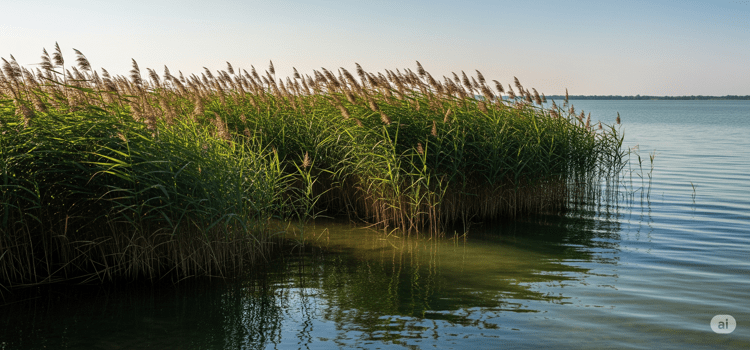
Aquatic plants as a resource: By using aquatic and marsh plants in a targeted manner, we reduce overgrowth, improve water quality and create new ecological balances.
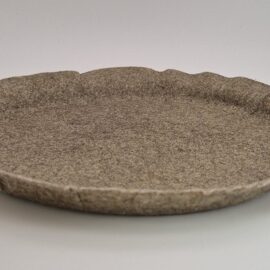
New value chains: Bio-based packaging, fiber yarn and building materials are produced from the plants – sustainable, regional, future-oriented.
Climate protection included: Aquatic plants bind CO₂ and prevent emissions through decomposition or disposal.
Restoration with an economic basis: Our goal is a viable model that does not make restoration dependent on subsidies, but finances it through economic use.
InnoWAP demonstrates that nature conservation can be economically viable. And that's precisely what's needed now – for Lake Neusiedl, for the region, for future generations.
You can read Armin Winter's full LinkedIn post here.
Read more about the InnoWAP project and current project progress here.
FAQ – Frequently asked questions about the InnoWAP project
What connection does the InnoWAP project have to Lake Neusiedl?
The InnoWAP project incorporates aquatic and marsh plants, especially reeds, from Lake Neusiedl into its value creation strategy.
Why do we need to act?
Lake Neusiedl is under massive pressure. A report by the Court of Auditors has shown that many of the recommended protective measures have not been implemented, leading to desertification and the disappearance of salt lakes.
What role do aquatic plants play in the project?
The targeted use of aquatic plants aims to reduce overgrowth, improve water quality, and create new ecological balances. These plants are used to produce valuable bio-based raw materials for products such as packaging.
InnoWAP is being funded under the Circular Economy and
Production technologies 2024 funded by the BMIMI and managed by the FFG.