Rotting/composting of natural plastic or bioplastic
The life cycle of bioplastics
There are several options for recycling NaKu bioplastic products at the end of their life cycle. Natural plastic/bioplastic is biodegradable. This means it is compostable according to DIN standard EN 13432 and thus meets the requirement to revert to biogenic mass within 90 days. Natural plastic/bioplastic is also combustible and recyclable, meaning it can be reused to produce other products.
All materials used, and therefore all NaKu products, are biodegradable. The natural plastic/bioplastic decomposes completely into basic organic substances (H₂O , CO₂ , biomass). The time it takes to decompose depends primarily on the thickness of the bioplastic wall and the composting process (heat, moisture, bacteria, fungi, etc.).
As an example, you can take a closer look at the NaKu fresh-keeping bag:
In a industrial composting plant optimal conditions for decomposition prevail. There it always has approx. 60°C. There are many bacteria that decompose biodegradable plastics. The compost is also turned over regularly. Under these conditions, the rotting process of the NaKu bag takes about 3 – 5 days.
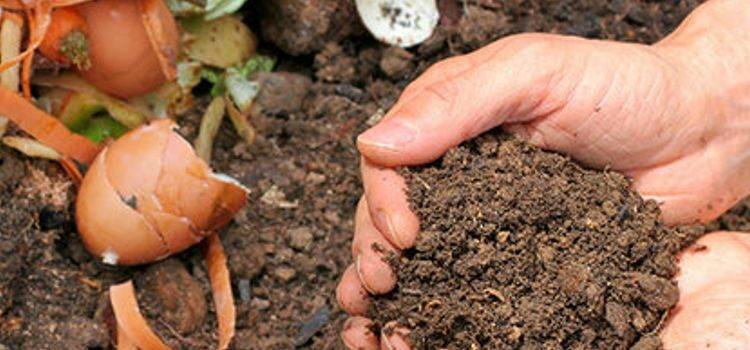
In contrast , in an agricultural compost heap , which is turned over at regular intervals, it takes 9-12 weeks for our NaKu bags to decompose in warm weather.
The biodegradable NaKu bag should also not be carelessly discarded. Should the NaKu bags actually be left lying on the side of the road or in the forest, nature will have to fend for itself. Nevertheless, wind, sunshine, rain, and bacteria will decompose the bag in about a year. This isn't ideal, of course, but it's definitely better than with conventional petroleum-based plastic items, which produce microplastics.
Conventional plastic, which is based on petroleum, is neither biodegradable nor can it decompose. It takes several decades for it to break down into increasingly smaller pieces – known as microplastics. The problem is still there, but it's so small that it's invisible. If conventional plastic enters the ocean, it's eaten by fish or seabirds, presumed to be plankton, which then literally starve to death with full stomachs.
Nevertheless, even our biodegradable food storage bag shouldn't simply be carelessly thrown away!
FAQ - Frequently Asked Questions
How do NaKu bioplastics decompose?
NaKu bioplastics are biodegradable. At the end of their life cycle, they completely transform into organic substances such as water, CO2 , and biomass, without leaving behind any permanent microplastics.
How long does it take for NaKu bioplastic products to decompose?
The duration depends on the conditions. In an industrial composting facility, the process takes only 3-5 days. Under optimal conditions in an agricultural compost heap, a NaKu fresh-keeping bag takes about 9-12 weeks.
What happens when a NaKu product enters nature?
Even if a NaKu bioplastic product ends up in nature, it will degrade within about a year under the influence of wind, sun, rain, and bacteria, leaving behind no harmful microplastics. This distinguishes it from conventional plastic made from petroleum.