The best comparison: Which map materials are truly sustainable?
Ubiquitous and problematic: PVC cards
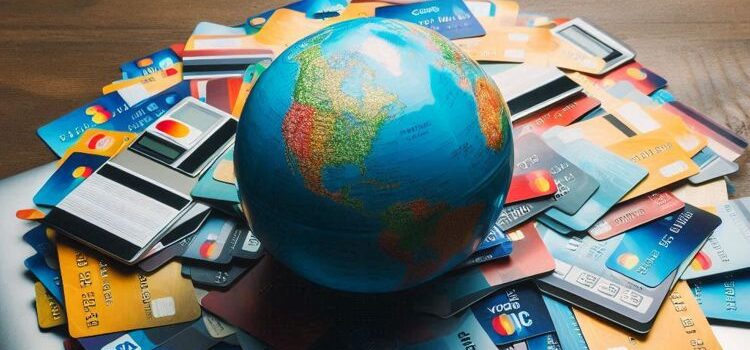
Whether credit cards, employee ID cards, fuel cards, or ski passes – most of these cards are made of polyvinyl chloride (PVC), a plastic made from petroleum and chlorine. While PVC is durable and cost-effective, it also poses significant environmental concerns:
- Manufacturing: The production of PVC releases hazardous chemicals, including vinyl chloride, which is considered carcinogenic.
- Disposal: PVC is not biodegradable and is usually disposed of with general waste. Incineration produces toxic dioxins that are harmful to the environment and health.
- Recycling: While PVC is theoretically recyclable, the process is complex and rarely cost-effective. Most cards end up in landfills or incinerated.
In Austria alone, around 70 million cards are produced annually—equivalent to approximately 350.000 kilograms of PVC. A large portion of these cards are disposed of after a short period of use.
PVC additives
- Plasticizers: These are added to PVC to make it flexible. Without them, PVC would be hard and brittle. Typical plasticizers include phthalates.
- Stabilizers: These protect the plastic during processing and against aging. Lead was often used as a stabilizer in the past, but other alternatives are now also used.
- Additional additives: Depending on the application, other substances can also be added to achieve certain properties such as lubricity or color.
A problem that calls for a better solution
The enormous proliferation of PVC cards in everyday life demonstrates how deeply this material is embedded in our consumer and organizational structures. But precisely because these cards are often only used briefly and then disposed of, the question arises: Does it really have to be this way?
The environmental and health risks of PVC are well documented – from its energy-intensive production and problematic disposal to the pollutants the material releases. At the same time, awareness is growing of sustainable alternatives that are not only more environmentally friendly but also keep pace with technological advances.
This is where the NaKu sugar card comes in: It demonstrates that it's possible to produce cards from a renewable, pollutant-free material – without compromising on functionality or design. The solution lies not in the radical elimination of cards, but in the choice of materials. And it's precisely this choice that can make a decisive difference.
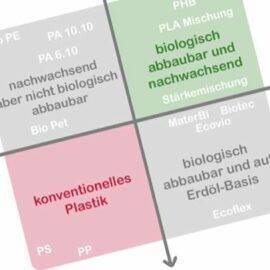
In addition to PLA, there are other alternatives to PVC, which have different advantages and disadvantages depending on the application, such as wood, paper/cardboard (coated/uncoated), metal, rPVC, “marine plastic”.
Alternative materials for card products
Wooden cards as an alternative
Cards made of real wood offer a particularly high-quality look and feel. FSC-certified wood is plastic-free and biodegradable. These cards are ideal for exclusive customer loyalty cards or membership cards. Disadvantages include reduced flexibility, higher production costs, and often limited compatibility with chips or magnetic stripes.
Paper/cardboard cards (e.g., pulp or grass cardboard)
Paper-based cards are particularly environmentally friendly because they are recyclable. They are well-suited for temporary applications such as event badges or visitor passes. Their biggest disadvantage is their susceptibility to moisture and mechanical stress, which makes them unsuitable for long-term applications.
Metal cards (e.g., aluminum or stainless steel)
Metal cards are extremely robust and durable. They are often used for exclusive membership cards or luxury products. Metal is recyclable and conveys a high-quality impression. However, these cards are heavy, expensive, and not biodegradable. Furthermore, integrating chips or magnetic stripes is usually more technically complex.
Cards made from recycled PVC (rPVC)
rPVC utilizes existing plastic waste, thus reducing the need for new fossil raw materials. The cards have the same properties as conventional PVC and are recyclable multiple times. Nevertheless, rPVC remains a fossil-based plastic that is not biodegradable and releases pollutants when incinerated.
Plastic cards made from marine debris
This material is made from plastic waste collected from coastal regions and the ocean. It contributes to reducing pollution and is suitable for maps with a strong sustainability focus. However, availability is limited, and recyclability depends on the composition. Production costs are higher than for standard materials.
Polycarbonate cards
Polycarbonate is heat-resistant and durable. It is frequently used for ID cards, driver's licenses, and security cards. The cards can often be laser-personalized and are very robust. However, PC is expensive, not biodegradable, and only compatible with special printing processes.
Cards made from PLA or rPLA (bioplastic)
PLA is a bio-based plastic derived from plant-based raw materials such as sugar or corn. It is industrially compostable (see DIN 13432) and free of harmful substances like plasticizers or heavy metals. PLA is ideally suited for card products because it is stable, water-resistant, and printable. Its production generates significantly less CO₂ than PVC. However, PLA is not extremely heat-resistant, which can limit its applications.
The NaKu Sugar Map: A map that grows back
NaKu's sugar card offers a sustainable alternative. It is made of PLA (polylactic acid), a bioplastic derived from sugar. PLA is biobased, compostable, and free of harmful substances.
Advantages of the sugar card at a glance
- Sustainable material: PLA is made from plant-based raw materials – completely without petroleum.
- Compostable according to DIN EN 13432: In industrial composting plants, PLA decomposes into CO₂, water and biomass within 90 days.
- Reduced CO₂ emissions: The production of the sugar card causes 40–75% (PLA/rPLA) less CO₂ than PVC cards.
- Free from harmful substances: no plasticizers, no heavy metals.
- Technically tested: water-resistant, dimensionally stable and tear-resistant.
- Regionally produced: The cards are manufactured in Austria – short transport routes, high quality standards.
Various uses
The sugar card is suitable for almost all applications where PVC cards were previously used.
- Credit cards and debit cards
- Employee ID cards
- Fuel cards
- Access cards and hotel cards
- Lift tickets and ski passes
- Voucher cards and customer cards
- Entrance and annual tickets
PLA – the bioplastic behind the sugar card
PLA is a thermoplastic bioplastic derived from lactic acid, which is produced by the fermentation of sugar or starch. PLA is:
- Transparent, stable and versatile
- Resistant to moisture and grease
- Non-toxic and odorless
- Suitable for packaging, medical devices and maps
Compared to conventional plastics, PLA offers a significantly better climate footprint and is recyclable, provided the infrastructure is in place.
Conclusion: Small card, big impact
The NaKu sugar card demonstrates how innovation and sustainability can work together. It replaces a product produced in millions and often carelessly disposed of – offering technical quality, ecological responsibility, and creative freedom.
FAQ – Frequently asked questions about PVC cards and their alternatives
Why are conventional PVC cards problematic for the environment?
PVC is made from petroleum and chlorine, is not biodegradable, and releases toxic dioxins when burned. Recycling is complex and rarely economical.
What is PLA and why is it more environmentally friendly than PVC?
PLA (polylactic acid) is a bioplastic made from renewable raw materials such as sugar or corn. It is compostable, pollutant-free, and produces significantly less CO₂ during production.
How long does it take for PLA to compost?
In industrial composting plants, PLA decomposes into CO₂, water and biomass within about 90 days.
Is the NaKu sugar card as robust as a PVC card?
Yes. It's water-resistant, dimensionally stable, tear-resistant, and ISO-certified—so technically comparable to conventional cards.
What applications are possible with the sugar card?
It is suitable for credit cards, employee ID cards, access cards, fuel cards, voucher cards, ski passes and much more.
Can the sugar card be equipped with chips or magnetic strips?
Yes. It can be equipped with an RFID chip, magnetic stripe, QR code, hologram, or embossing—depending on your needs.
Where is the NaKu sugar card produced?
The cards are produced regionally in Austria, which guarantees short transport routes and high quality standards.
Are there other sustainable materials for cards?
Yes. Alternatives include wood, paper/cardboard, metal, recycled PVC, and ocean plastic. Each option has its own advantages and disadvantages.
Is PLA really recyclable?
PLA is technically recyclable, but actual recycling depends on the available infrastructure.
Why should a company switch to the sugar card?
It is a visible sign of sustainability, reduces CO₂ emissions and strengthens the brand perception as a responsible provider.
Request a quote or contact us now