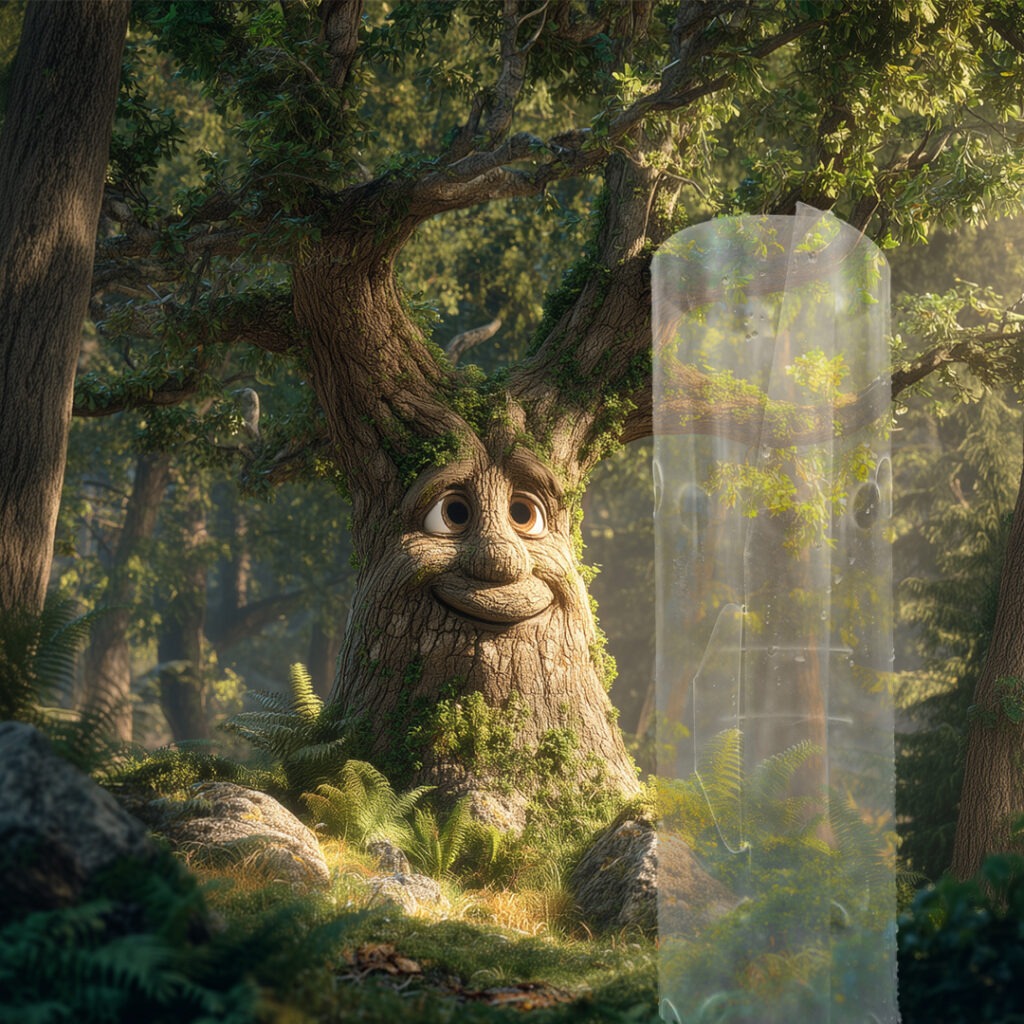
Polymer film made from bioplastic
The solution.
Plastic made from plant-based raw materials.
Polymer film is ideally suited for applications where heavier paper or conventional films or cards made from petroleum-based plastics such as PVC need to be replaced, and compostability is a concern. This also applies to applications where the product may intentionally or unintentionally enter the environment.
The polymer film is appropriately used where long- and medium-term use is required and/or water resistance or humid environmental conditions play a role.
The polymer film is based on rapidly renewable plant-based raw materials (sugar & starch), whereas paper is made from slow-growing trees and most conventional films such as PVC are made from petroleum.
Why a film made of bioplastic
The production and energy expenditure involved in papermaking is many times higher than that of polymer film production. The papermaking process itself – with all its additives, bleaching, and drying processes – also takes longer and requires enormous amounts of water. Polymer film contains no chemical additives.
Conventional films (e.g., for plastic labels and product labels) are often made of PVC. When such films enter the environment, they decompose into persistent microplastics that are hazardous to the health of animals and humans. These films are also usually contaminated with pollutants.
► Made from rapidly renewable, plant-based raw materials
► Free from harmful substances
► Industrially compostable according to DIN 13432
► No formation of persistent microplastics
► Easy to write on and print
► Water-resistant, dimensionally stable & tear-resistant
► Lower energy consumption than producing paper
► No sizing is required (necessary for conventional paper, otherwise it cannot be written on)
► Material: OK Compost Industrial
► Locally produced - made in Austria
Specifications Polymer film
- ► woodfree
- ► bright white, 164 CIE
- ► high stability
- ► high opacity
- ► fast drying
► Suitable for all common inkjet and folding systems based on dye and pigment ink as well as digital printing
► Certificates: ISO 14001, ISO 18001, ISO 9001
► Sleeve diameter rolled goods: 51 mm
Sheet sizes and thicknesses of polymer film
- ► 520×370 – 300µ natural white
- ► 520×370 – 450µ natural white
- ► 520×620 – 100µ transparent overlay film
- ► 520×620 – 205µ natural white core film
All of the films mentioned above can also be produced on rolls.
Roll sizes and thicknesses of polymer film
- ► Core diameter: 76mm or 152mm
- ► Width: 200 - 1.000 mm
- ► Thickness: 100 – 800 µ
- ► Color: Transparent, natural white, colored
► Minimum order quantity: 8 – 10 rolls
Product information: Delivery formats of the polymer film
The polymer film is available in sheets or rolls in various thicknesses. Custom sizes are available upon request.
Application examples of the polymer film
► Labels (e.g., high-quality clothing in the fashion industry)
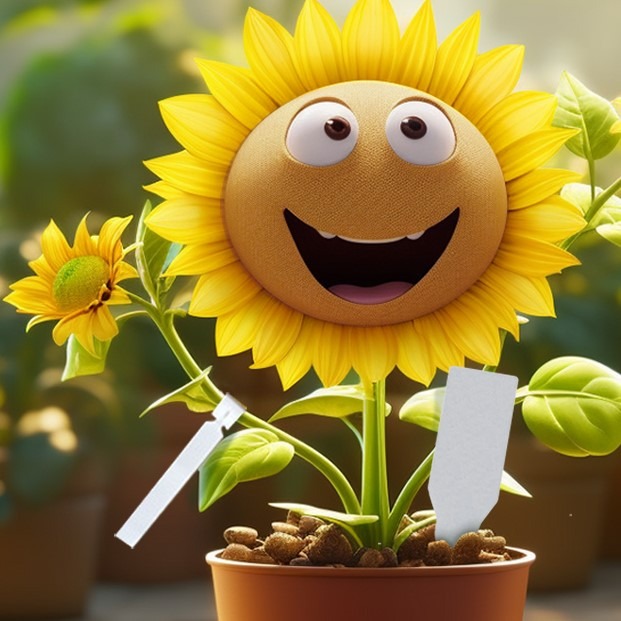
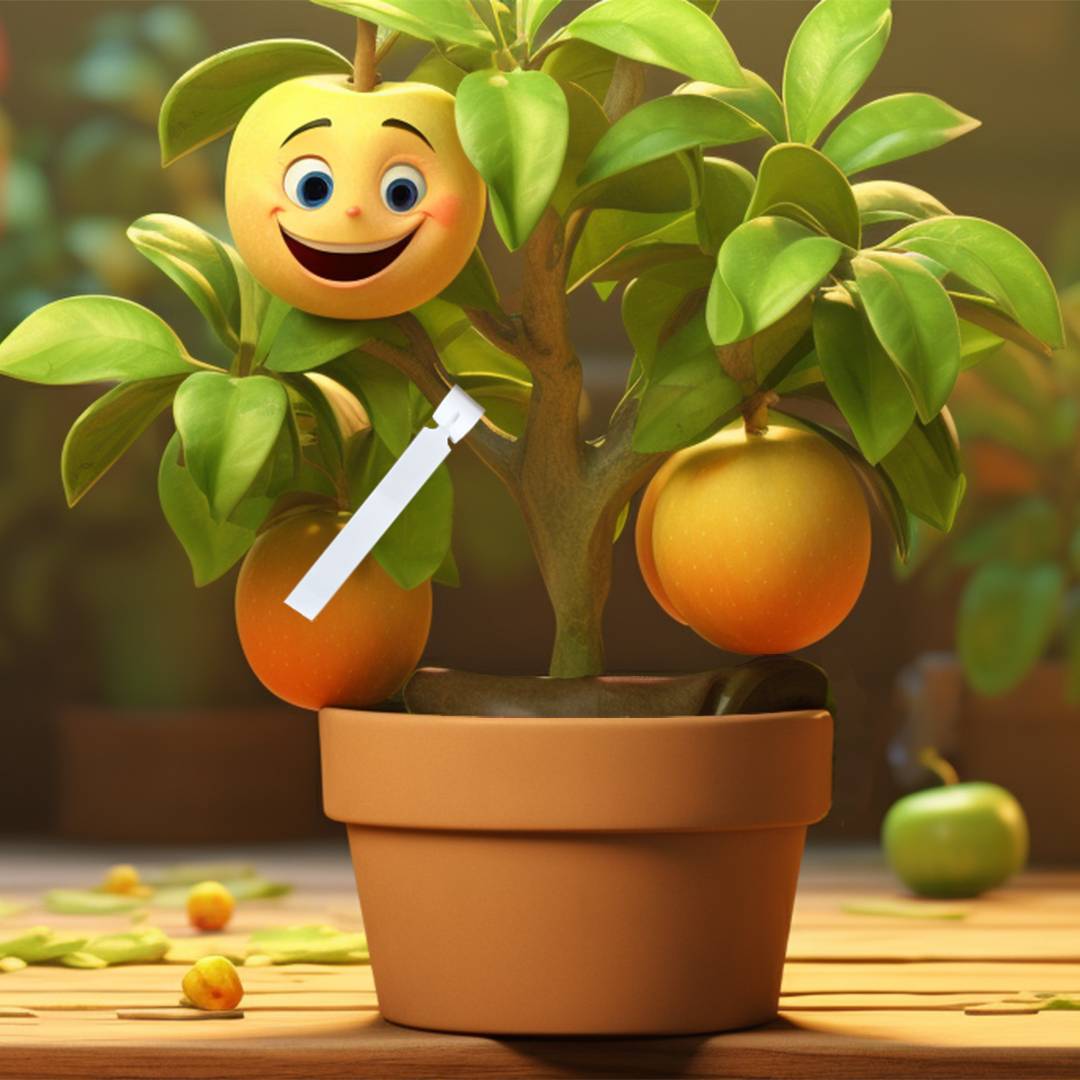
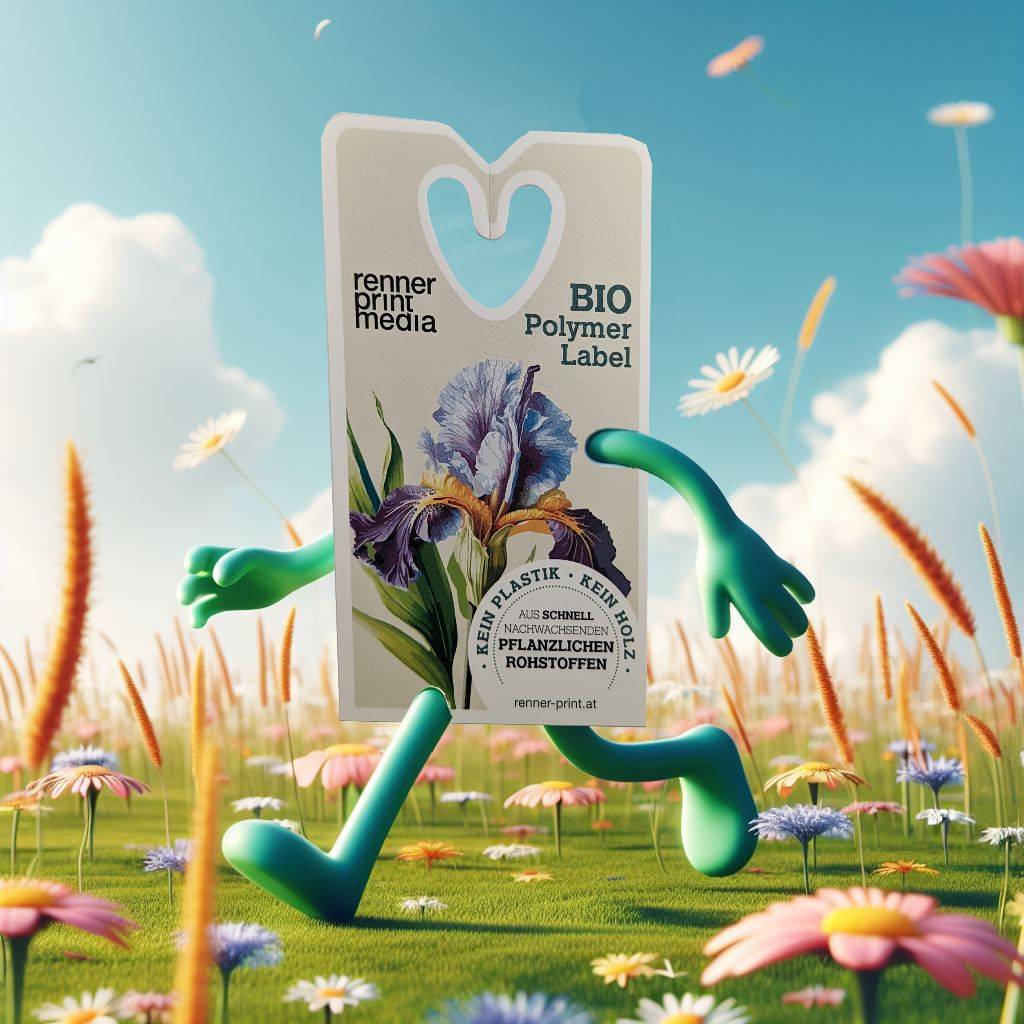
► Loop labels/ribbon tags (e.g., for nurseries and tree farms, but also for key identification in workshops)
► Carrying handles/handles and pot sleeves (e.g. nurseries)
► Stick-on labels and click-on labels (e.g. for nurseries)
► Price labels and picture cards
► Tree protection sleeves or growth sleeves (e.g. foresters and forestry companies)
► Door hangers (e.g. hotels)
► Luggage tags (e.g., airlines, travel agencies and tour operators)
► Labeling cards (e.g., for commercial and industrial businesses)
► Billboards & advertising banners
► and much more…
FAQ – Frequently Asked Questions about Polymer Film
The biopolymer film is modeled on normal paper and offers a similar feel and similar properties. "Normal" paper takes ages to decompose, but the biopolymer film offers many other advantages. No persistent microplastics are produced when the biopolymer film decomposes/composts. The production of the biopolymer film is also nowhere near as energy-intensive as the production of "normal" paper.
The production and energy required for paper production is many times higher than for the production of bio-polymer film. The production process of paper itself, with all its additives, bleaching and drying processes, also takes longer, and an enormous amount of water is needed to produce paper. Bio-polymer film does not contain any chemical additives.
There are of course areas of application where the use of biopolymer film does not make sense. Biopolymer film is useful where a certain durability is required, but then at the end of the life cycle the issues of rotting, composting and recycling play a role. The raw materials required should also not be overlooked. Biopolymer film is based on rapidly renewable plant-based raw materials (sugar & corn), paper from slow-growing trees. Conventional paper is well used where the application is either very short-lived or very long-lasting.
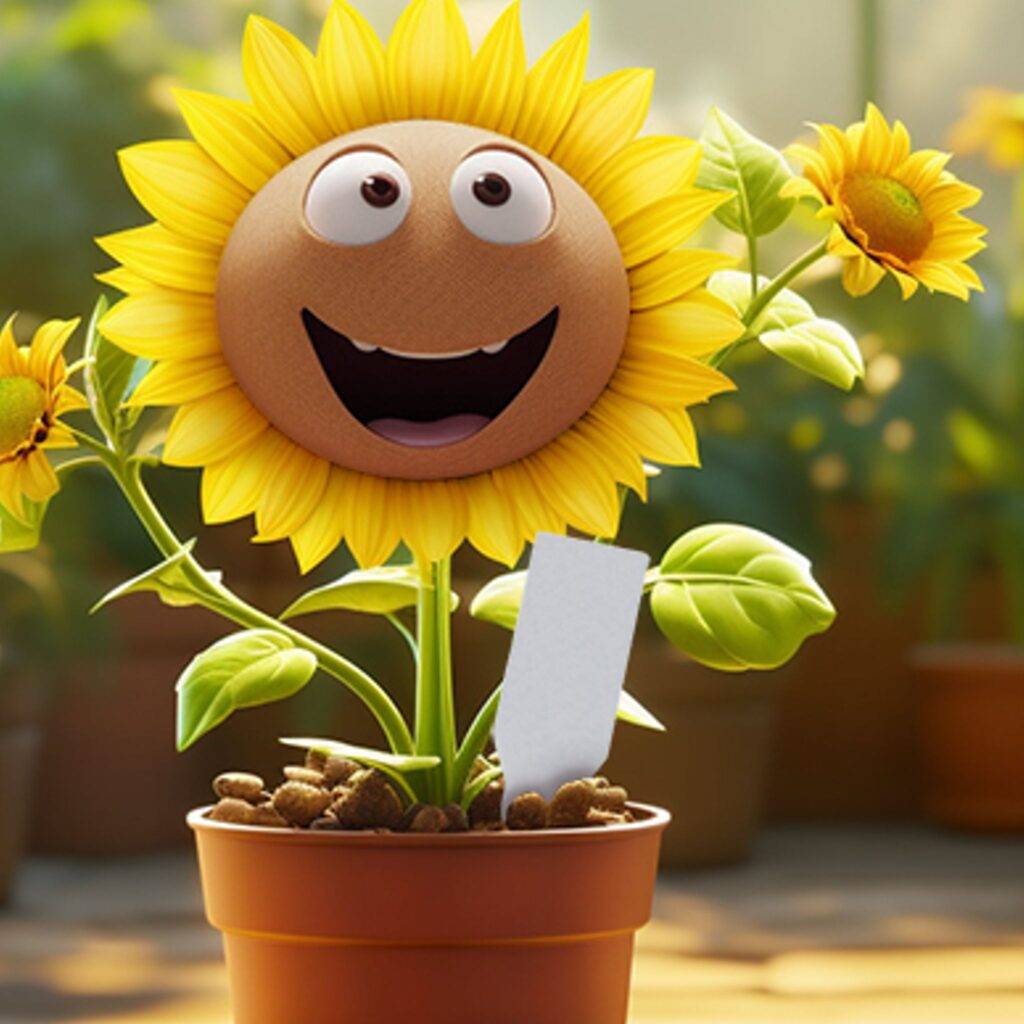
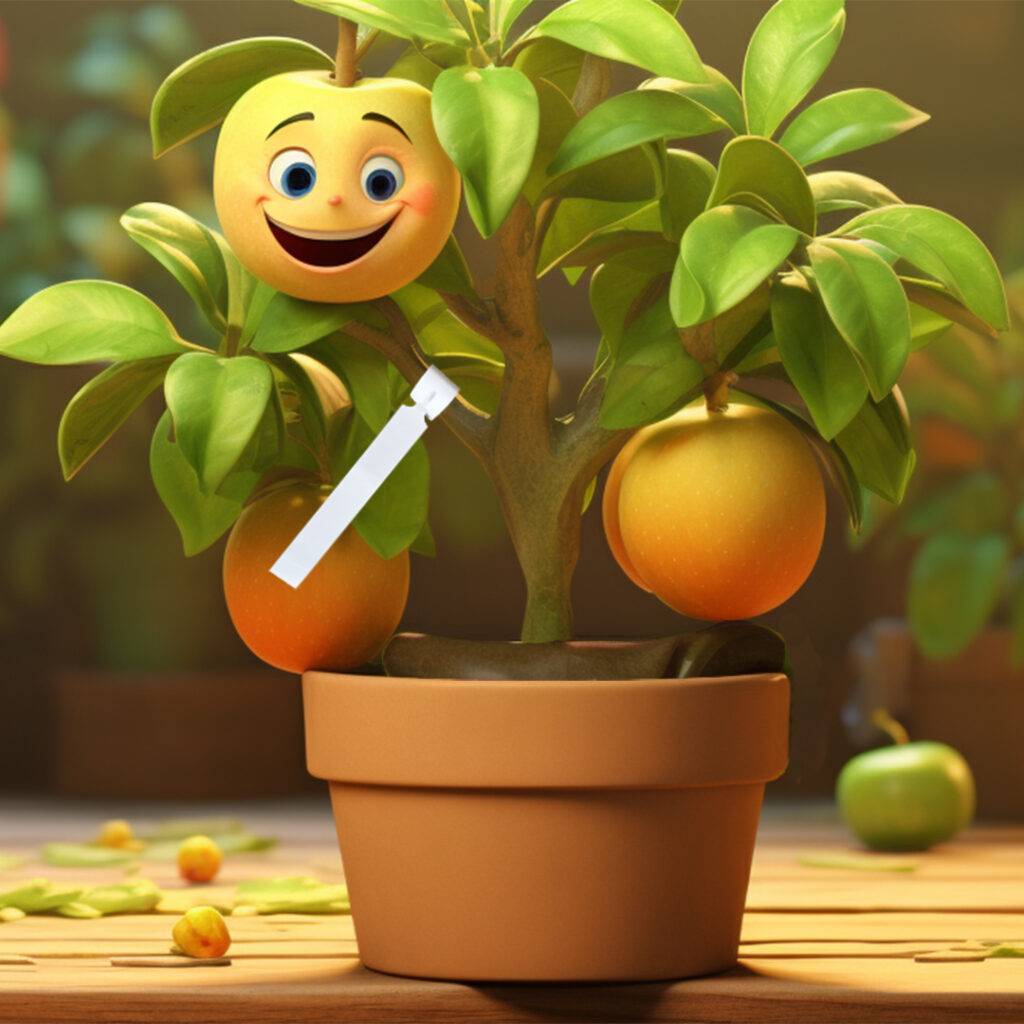
The biopolymer film is suitable, for example, for plant markers (direct earth contact/ground contact), clothing tags for high-quality clothing, labels, poster walls, banners, etc. The biopolymer film shows its great advantage wherever conventional products based on, for example, PVC would otherwise be introduced into nature.
It is based on rapidly renewable plant-based raw materials, specifically starch and sugar.
FAQ – Frequently asked questions about NaKu biofilm
Request a quote or contact us now

Your personal contact
Do you have further questions about our products or about the individual printing of the environmentally friendly NaKu bags, about the individual labeling of the NaKu bottles, about special projects or do you need an offer for large quantities?
Lizzy Weinert is looking forward to hearing from you:
E-Mail: office@naku.at
Tel: +43(0)660 551 7789
(weekdays Mon – Thu from 09:00 – 16:00 and Fri from 09:00 – 14:00)