
Natural plastic: Production, raw materials and quality
Different processes depending on the application in the production of bioplastics
There are various ways to process natural plastic or bioplastic into any desired form, depending on the application. Each process begins with melting the granules in a machine that functions similarly to a "heated meat grinder." The following processes are frequently used at NaKu in the production of natural plastic/bioplastic:
The injection molding process:
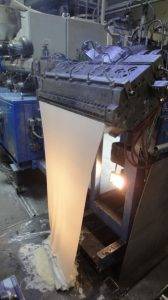
The liquefied bioplastic is moldable and is injected under high pressure into the desired mold shape. Upon cooling, the bioplastic solidifies again and retains its molded shape.
Using this process, we manufacture, for example, the preforms for NaKu bottles from PLA. This process is the most commonly used in the plastics industry. Most plastic or bioplastic products are manufactured this way.
Foil blowing:
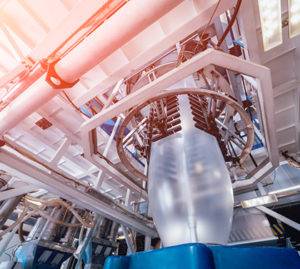
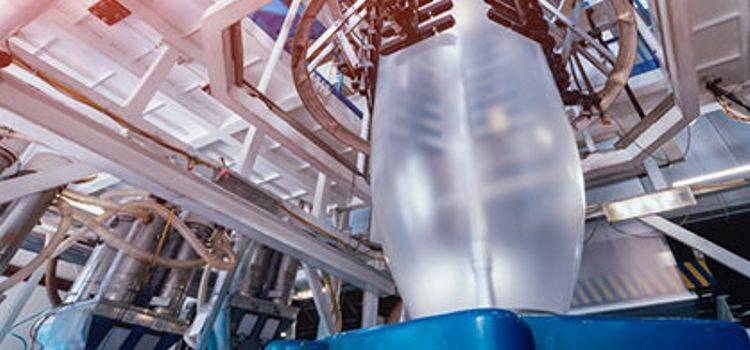
The liquid melt is forced through a ring nozzle. The resulting hot tube is pulled upward and simultaneously inflated from the inside (similar to a balloon). This cools the material.
This process creates a thin film that we use as the raw material for our NaKu fresh-keeping bags, children's snack bags, and freezer bags, as well as insert bags for vegetable boxes and flat bags. This method allows us to achieve various wall thicknesses, from thick construction film to thin fresh-keeping bags or organic carrier bags (from 100 µm down to 10 µm).
The extrusion:
The bioplastic compound is pressed under pressure from a viscous, viscous state through a molding opening that precisely matches the shape of the finished product. This creates a body with a consistent cross-section made of natural plastic (e.g., PLA or sunflower).
Deep drawing (thermoforming):
The starting material for deep drawing is flat sheets or foils made of natural plastic. These are heated to a point where they become tough and malleable (not liquid). Using vacuum, the malleable foil is sucked into a mold, thereby taking on its shape. The edge is then usually punched out. This produces products such as yogurt cups or blister packs.
FAQ - Frequently Asked Questions
How does the production process for NaKu products begin?
Production begins by melting the bioplastic granules in a machine similar to a heated meat grinder. Depending on the product, different processing methods are then used.
Which production processes are used at NaKu?
NaKu uses various processes. These include injection molding for bottle blanks, film blowing for bags and thin films, extrusion for products with a consistent cross-section, and thermoforming for items such as yogurt cups.
What is the difference between extrusion and deep drawing?
In extrusion , viscous material is forced under pressure through a shaping die. In thermoforming , on the other hand, flat sheets or films are heated but not liquefied, and then sucked into a mold under vacuum to achieve their final shape.

