NaKu on the Circular Academy Podcast
Circular Academy Podcast: Insights into the world of bioplastics
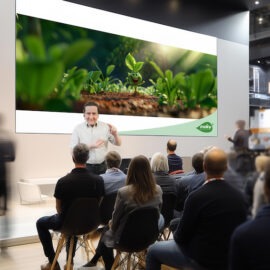
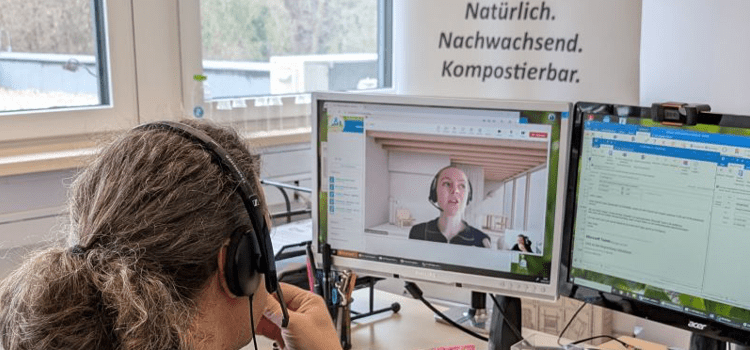
In this episode of the Circular Academy Podcast from the Food Cluster Business Upper Austria – OÖ Wirtschaftsagentur GmbH, Lorena Dorninger and Johann Zimmermann delve deep into the fascinating world of biopolymers.
The podcast recording focuses on very interesting topics from the field of bioplastics: What is bioplastic anyway, how is it used as packaging and what about the recycling of bioplastics?
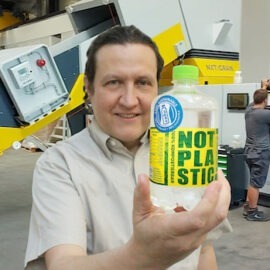
The podcast recording is informative and inspiring. It delves deep into the world of sustainable materials and offers valuable insights into current developments and challenges in the field of bioplastics. Johann Zimmermann shares his expertise, highlights the diverse potential applications, and underscores the importance of bioplastics for a sustainable future.
But it's about much more than just materials. The podcast provides insights into the philosophy of NaKu, a company that values transparency and where innovation is driven by genuine passion.
✨ 𝗟𝗮𝘀𝘀𝗲𝗻 𝗦𝗶𝗲 𝘀𝗶𝗰𝗵𝗲𝗻! Find out how to tell if an organic bag is actually compostable, why it can sometimes smell like popcorn, and what the mysterious "cheese sleeping bag" is all about.
Listen to the podcast right here!
You can find more news from NaKu on the topic of bioplastics in our news section.
FAQ – Frequently asked questions about the podcast
Who from NaKu was a guest on the Circular Academy Podcast?
NaKu Managing Director Johann Zimmermann was a guest on the “Circular Economy Campus” podcast of the Circular Academy.
What was the topic of the podcast episode?
The episode, titled "Bioplastics: The way out of the plastic crisis?", addressed the potential of bioplastics as a sustainable alternative to conventional plastic products.
What were the key points of discussion?
The podcast discussed the opportunities offered by bioplastics, the obstacles they face, and the role of circular thinking in developing sustainable solutions. Johann Zimmermann explained that bioplastics represent a solution for the future, provided they are properly integrated into a circular economy.