2007 to present: NaKu's journey from a pioneering product to a comprehensive product range made from renewable raw materials.
More than just bags: The fascination of the NaKu range
Many people primarily associate the name NaKu with compostable bio-bags and pouches – but NaKu's product range offers much more. What began in 2007 with a simple yet revolutionary idea from Johann and Ute Zimmermann has developed into a diverse portfolio of sustainable and renewable alternatives. NaKu – Natural Plastic – launched its mission with the NaKu Bio-Freshness Bag and the NaKu Bio-Carrier Bags , made from renewable raw materials such as non-GMO cornstarch from European agriculture. From the very beginning, these products represented an important step towards more environmentally friendly packaging solutions.
Design for the future – How bioplastics are revolutionizing the entire product range
The product line of bags and pouches has continuously evolved, not least due to the need to respond to legal requirements. Following the Austrian ban on plastic bags, NaKu adapted its biodegradable carrier bags to the new regulations, while maintaining their multi-purpose function (carrying, keeping fresh, and composting).
From freshness to waste: The range of bags and sacks
Today, the core product range includes a wide variety of practical helpers for household and commercial use:
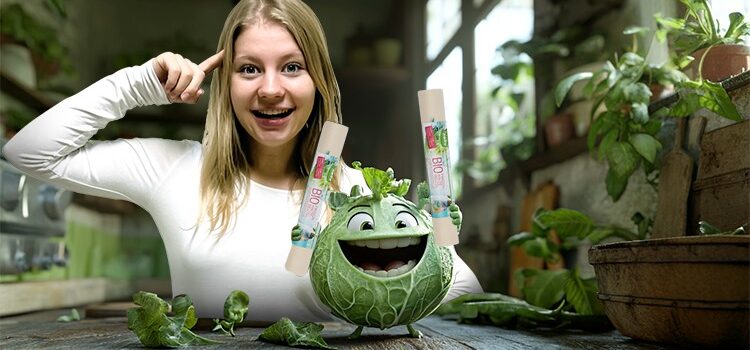
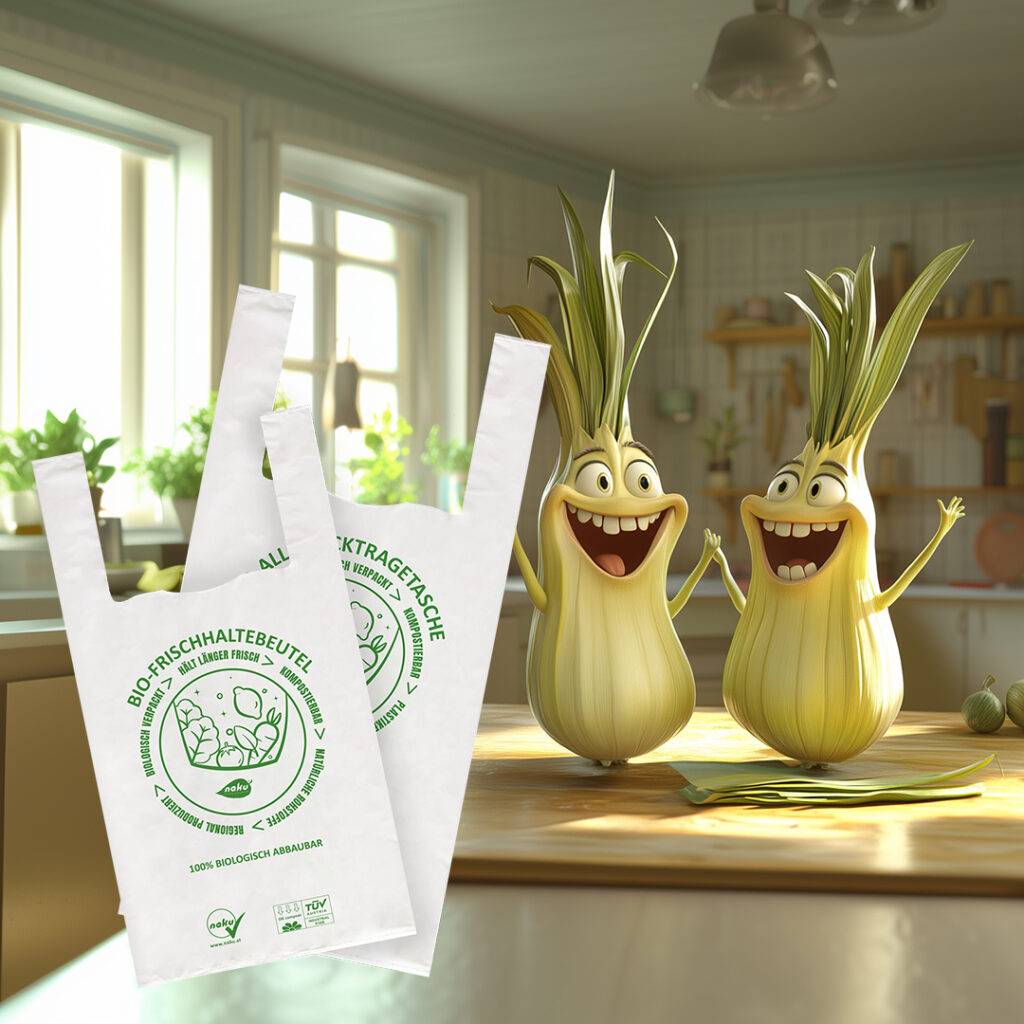
- NaKu Bio Food Storage Bags: They are the original successful product. Studies, for example from BOKU, confirm that food such as fruit, vegetables and bread demonstrably stays fresh longer in these bags. They are compostable and free of harmful substances.
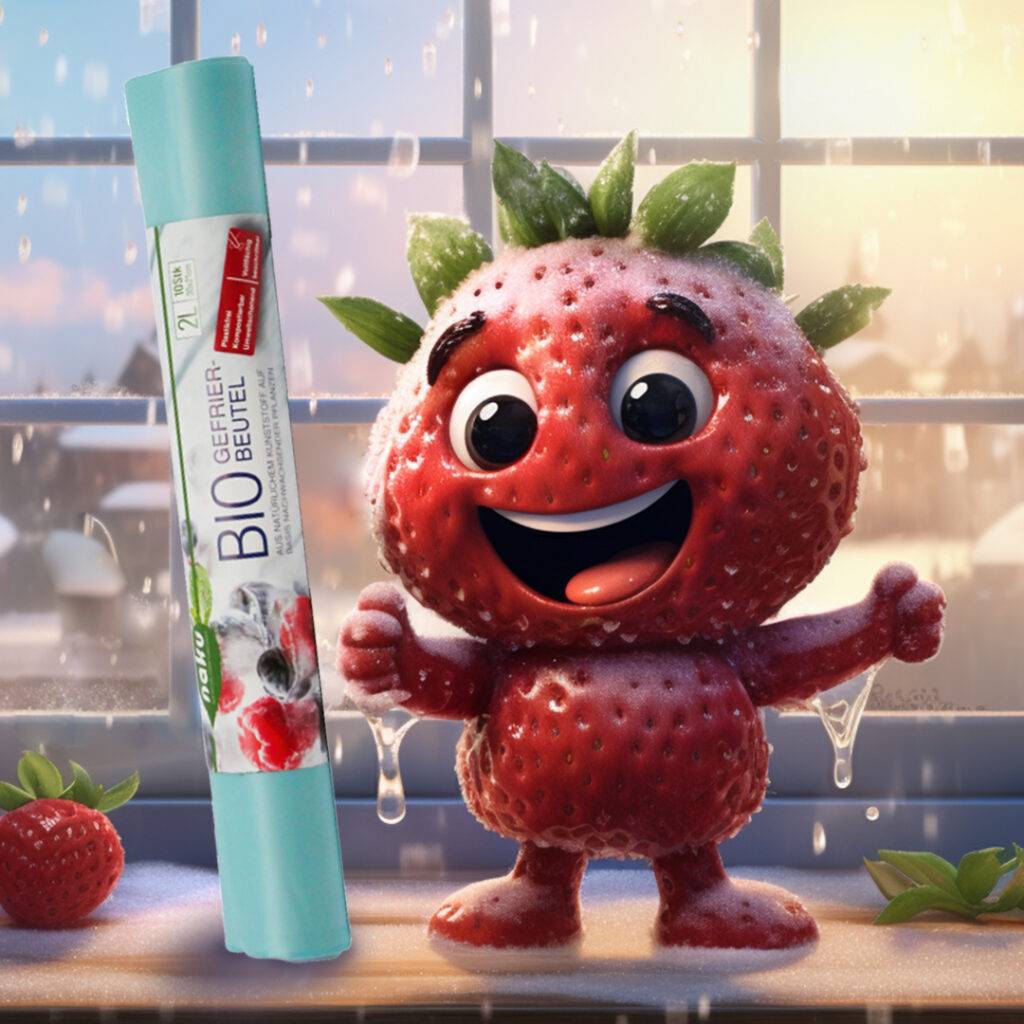
- NaKu Bio freezer bags (2l and 4l): As an environmentally friendly alternative to conventional freezer bags, they can be written on across their entire surface and are used for sustainable food storage.
- NaKu Bio-Garbage Bags: These tear-resistant and breathable bio-bags made from cornstarch are compostable according to DIN 13432 and optimized for the collection of organic and residual waste by counteracting odor formation.
- NaKu organic pharmacy bags: The handle-hole carrier bags and vest carrier bags for pharmacies offer a moisture-resistant and sustainable packaging solution for sensitive areas.
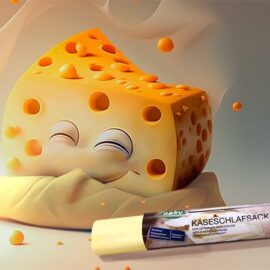
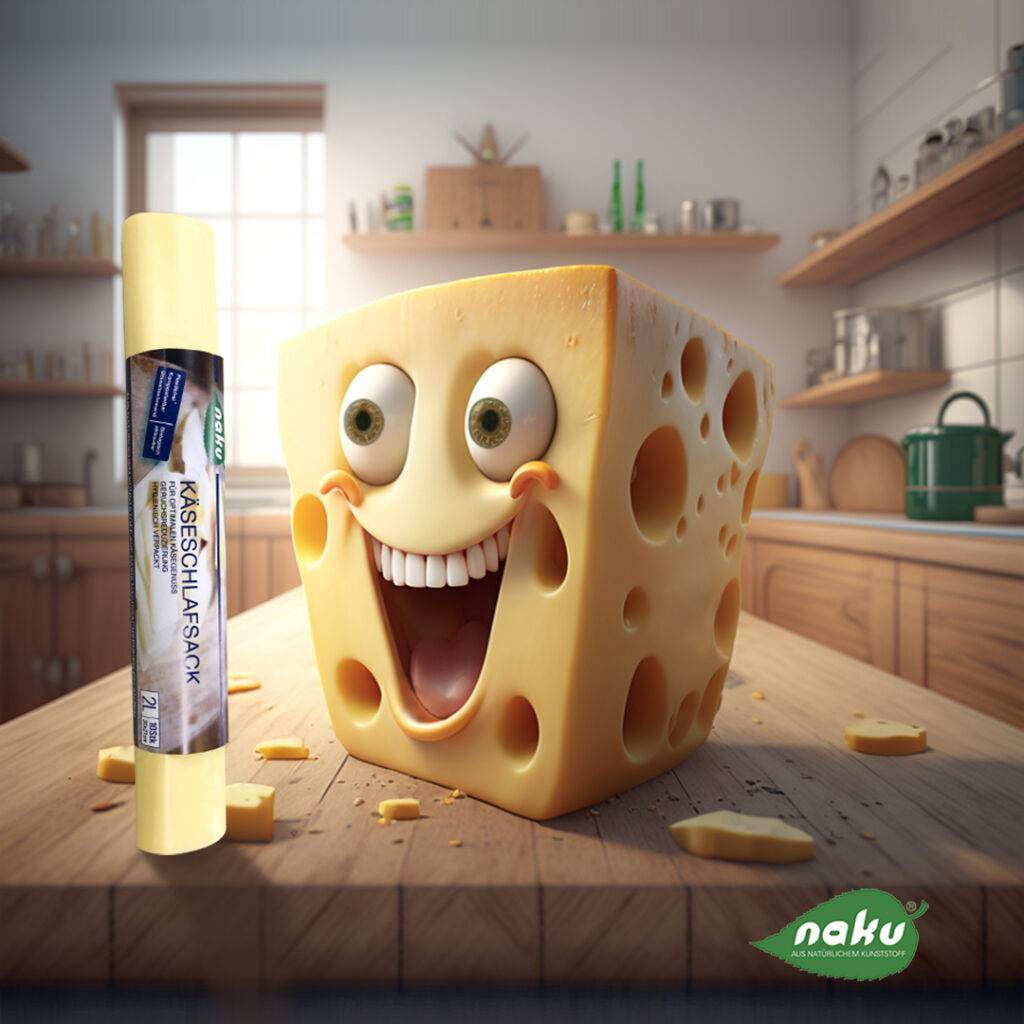
- NaKu Cheese Sleeping Bag: A special organic cheese bag designed for optimal storage and aroma preservation of cheese.
- NaKu Bio Carrier Bags: The classics and NaKu's first product. These bags are made from natural plastic and are biodegradable. They are ideal for retail use, can be reused multiple times, and are compostable at the end of their lifespan.
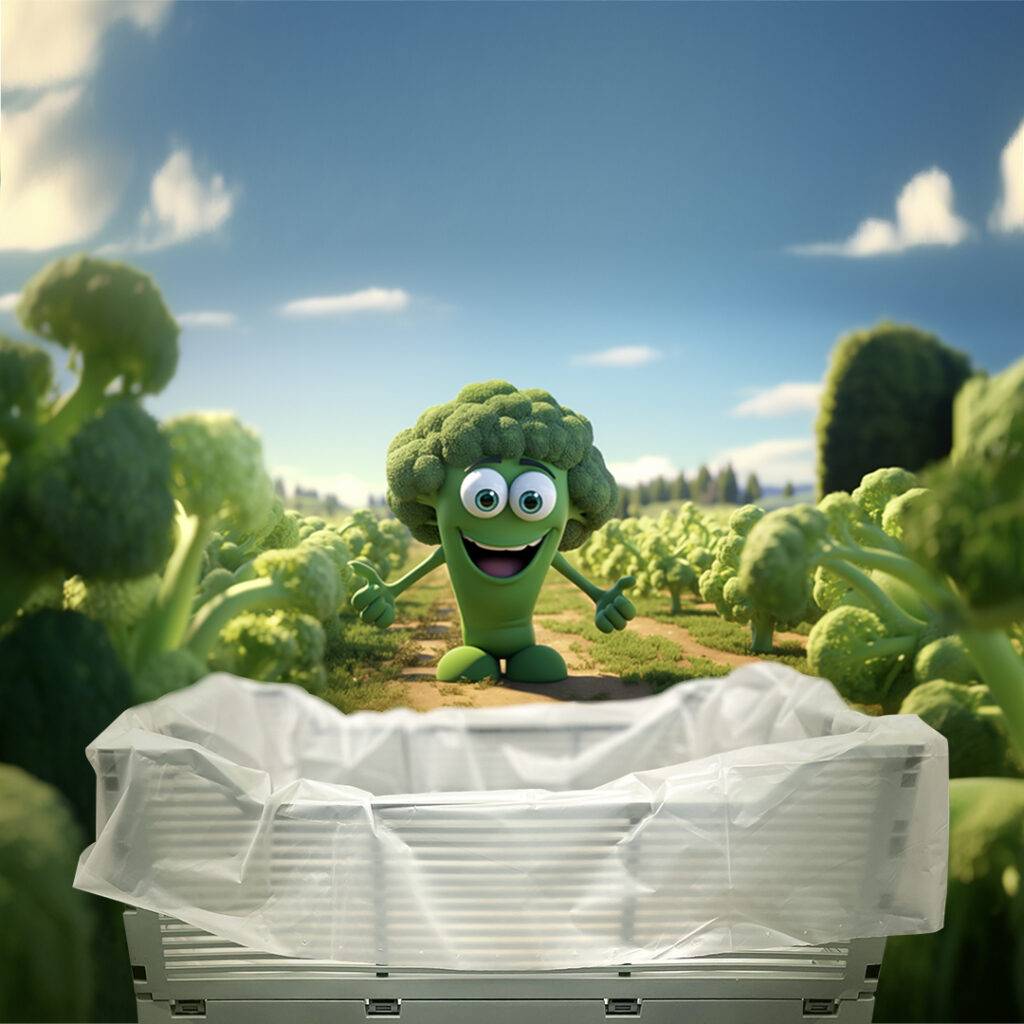
- NaKu insert bag (for organic produce boxes): A robust and compostable product specifically designed for lining boxes and containers for the delivery of fruit and vegetables.
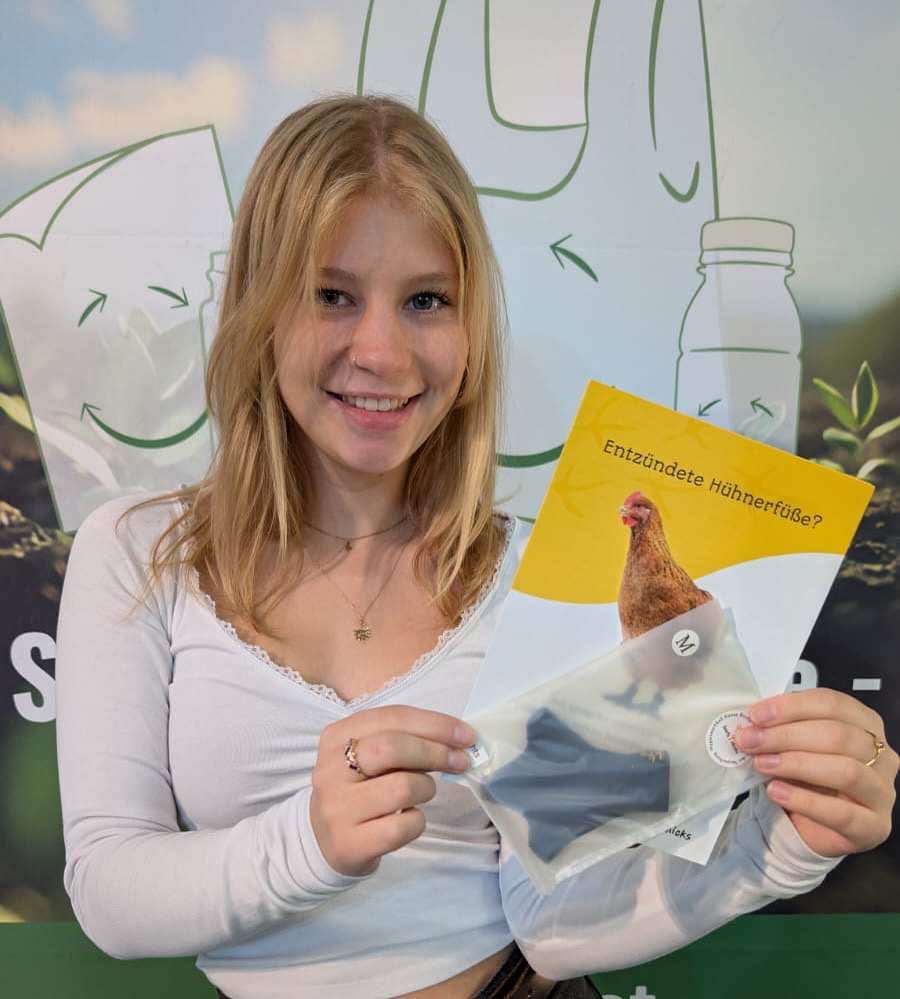
- NaKu planting bag: An innovative horticultural product that allows plants to be cultivated in a compostable container, which can later be placed in the ground along with the plant.
- NaKu Bio-Garment Bag: This product offers a sustainable packaging solution for cleaned clothing and textiles.
- NaKu Bio dog poop bags: In this everyday area, too, NaKu offers a compostable alternative that ensures that no permanent microplastics are created during decomposition, should such a bag ever remain in nature.
Customization: All bag products, including carrier bags, can also be individually printed , making them an ideal, sustainable advertising or corporate identity medium. Take a look here at the production of NaKu bags, pouches, and film products.
Bottles and cans: The solution for liquid and solid contents
In parallel with the pouch solutions, NaKu developed innovative products in the field of rigid packaging:
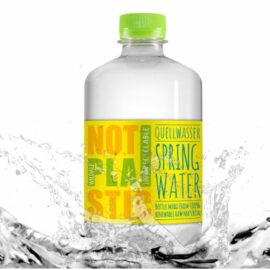
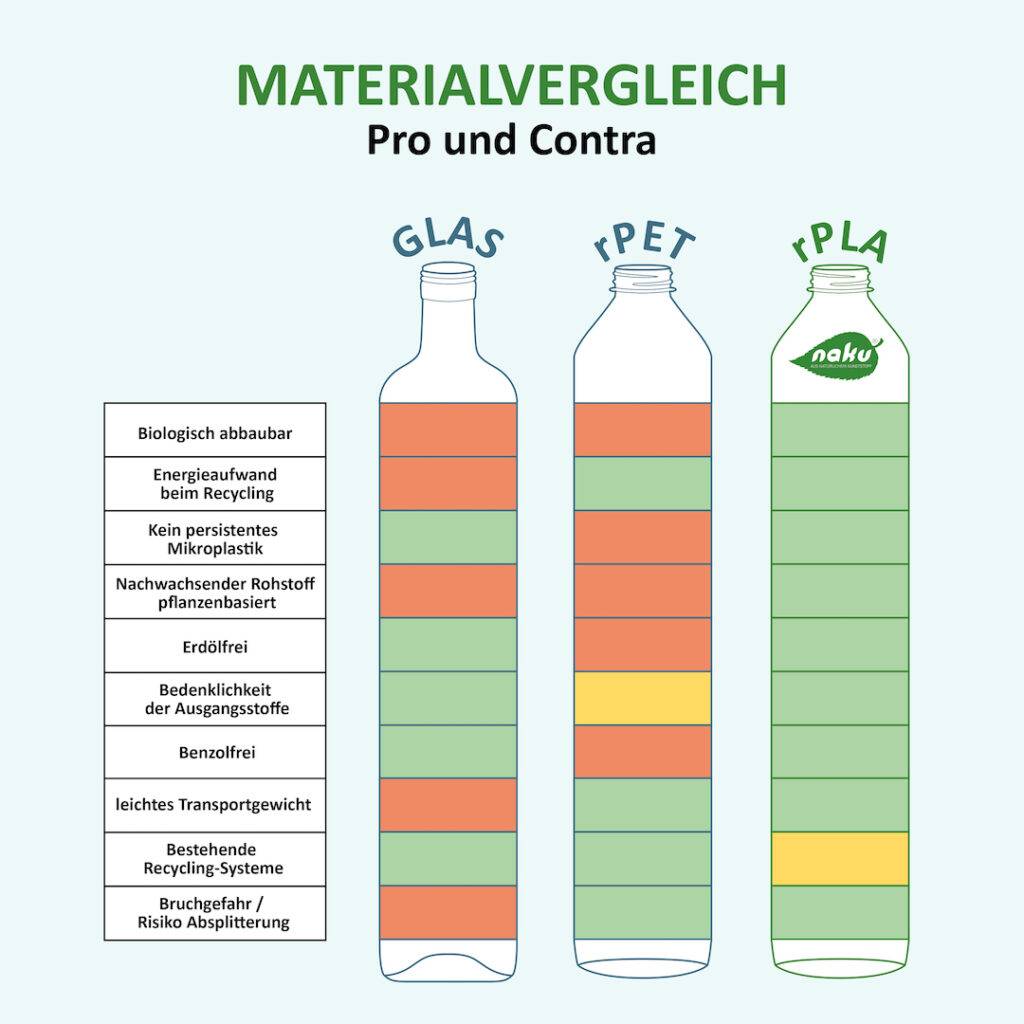
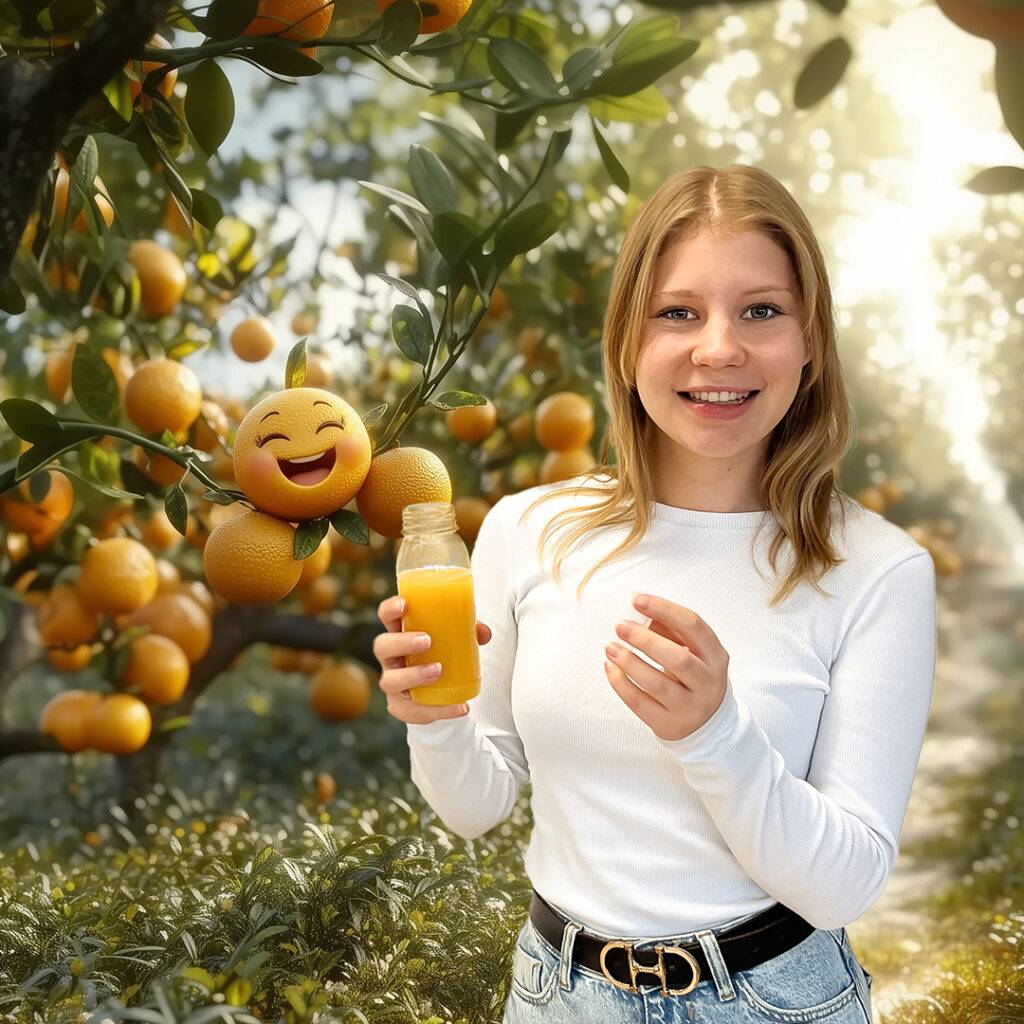
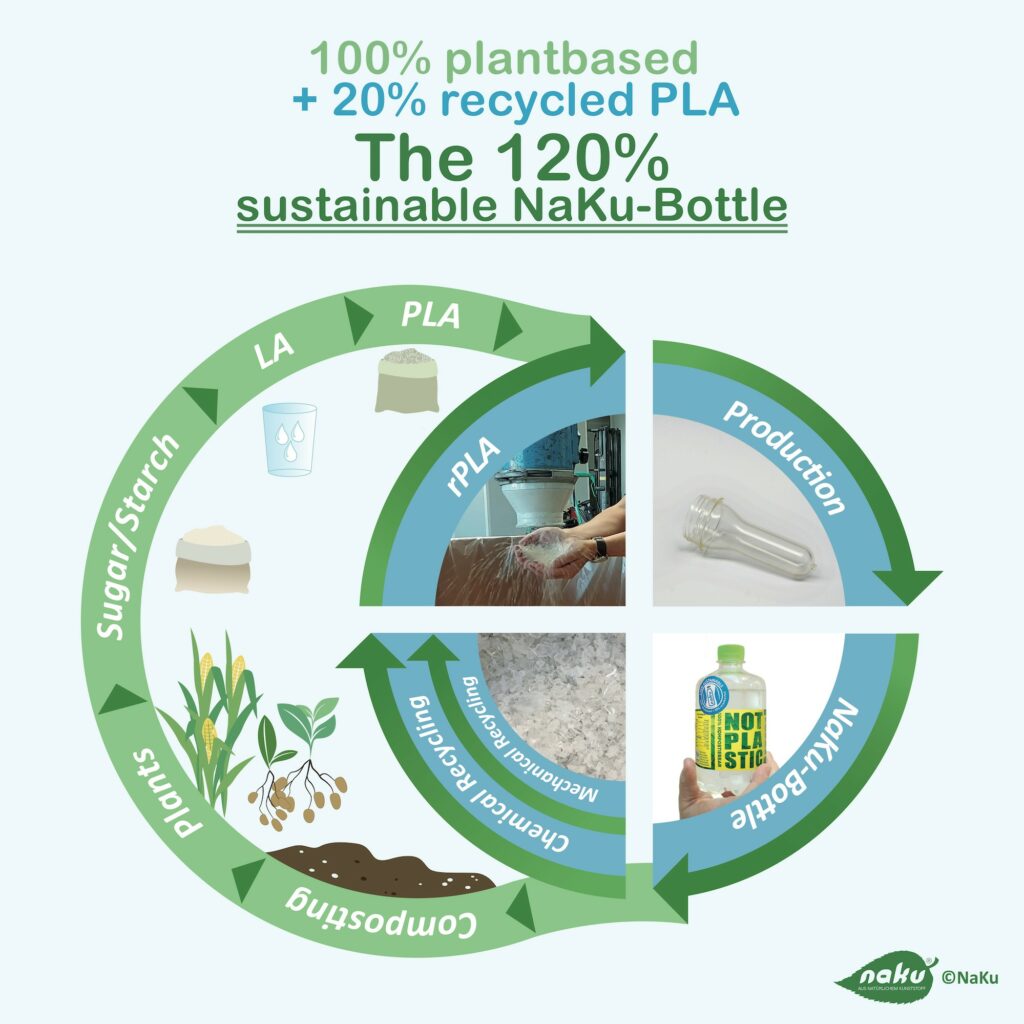
- NaKu PLA Bottle: This bottle, made from bioplastic (PLA – polylactic acid), is produced from 100% renewable resources and is guaranteed free of harmful plasticizers such as BPA. The latest development already includes... 20% recycled PLA (rPLA)This takes sustainability to another level. The bottles are available in various sizes from 150ml to 750ml available. Beyond the standard sizes, NaKu offers extensive customization options: These include the production of own bottle geometriesthe Coloring the bottles as well as the finishing by Sleeving or labeling, to perfectly support the branding.
- Cans made from rPLA: In addition to bottles, NaKu also offers cans in sizes such as 162 ml, 334 ml and 525 ml, which also contain recycled PLA and are suitable for a variety of filling applications.
Both product groups are compostable according to DIN 13432 and, due to their 7% lower weight compared to conventional plastic, are also more transport-efficient.
Although the NaKu PLA bottle is primarily designed as a reusable and pollutant-free solution, its compostability according to DIN 13432 offers a significant ecological advantage. Unlike conventional PET bottles, which can remain in the environment for centuries due to littering, for example, the NaKu bottle is designed to decompose completely into biomass, water, and CO₂ . It dissolves in these processes, thus preventing the formation of persistent microplastics . NaKu therefore makes an important contribution to reducing the burden on ecosystems.
Recycling and the circular economy are crucial for our future. We are frequently asked how renewable and recyclable materials are handled in the recycling process, or rather, how a recycling process actually works. Watch our video to learn more about the recycling process using PLA bottles and PLA material as an example . You can see how the production process works in this video.
The latest developments: films and molded parts
NaKu's latest innovations focus on the area of films and molded parts:
- Packaging films made from bioplastics: As a sustainable alternative to petroleum-based films, they are ideally suited for packaging and printing purposes.
- NaKu barrier tape: A practical example is compostable barrier tape, which enables environmentally friendly marking at events or construction sites.
- Stronger biopolymer films: These films are characterized by their robustness, water resistance and dimensional stability, making them a more durable alternative to paper and a far more environmentally friendly alternative to conventional petroleum-based plastic films.
- Products made from biopolymer film: These films are used to create other specialized products, including:
- Tree protection sleeves (tree protection sleeves): For use in forestry operations and nurseries as protection against browsing damage by wild animals.
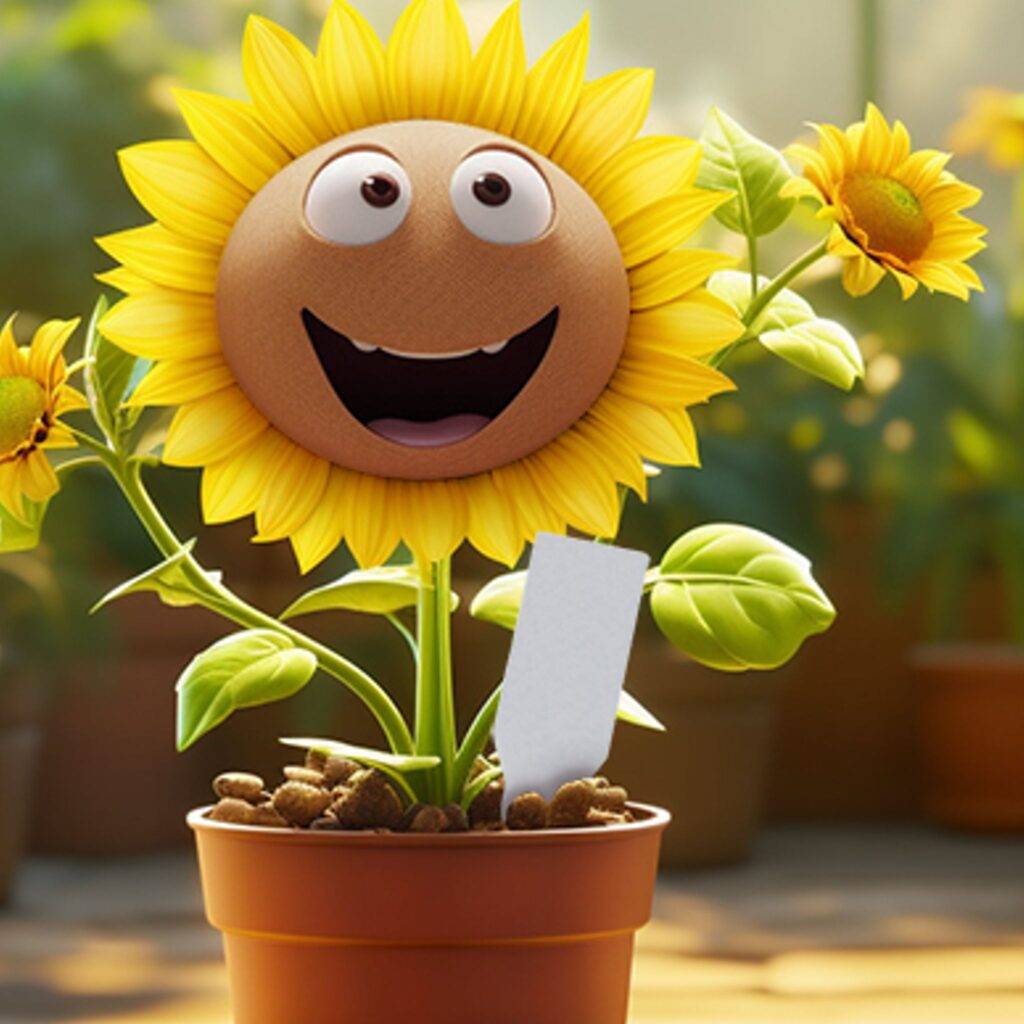
- Plant markers / plant labels: Compostable labels for horticulture.
- Ribbon labels: Versatile labels, not just for nurseries.
- Sugar card: A bio-card made from bioplastic, the first renewable "credit card" and a real alternative to PVC cards.


Special projects: Precision in injection molding and micro injection molding
NaKu demonstrates its expertise in handling bioplastics in demanding special projects that go beyond its standard product range. Particularly exciting projects, due to their very specific requirements, included:
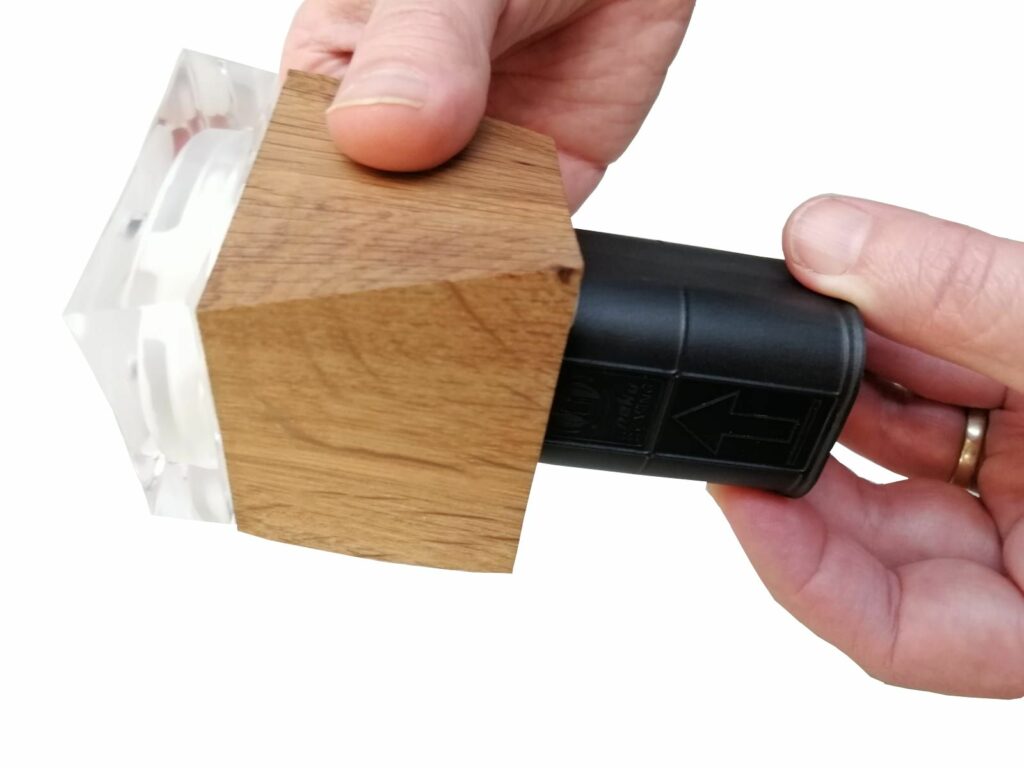
- Replacement cartridge for freemee cosmetics: In collaboration with freemee cosmetics, a reusable cartridge for a natural cosmetics cream jar was developed. Manufactured in Injection molding processDue to differing functional requirements for the individual parts (which also include moving and sealing elements), three different bioplastic material variations had to be used. This system enables waste savings of up to 75%.
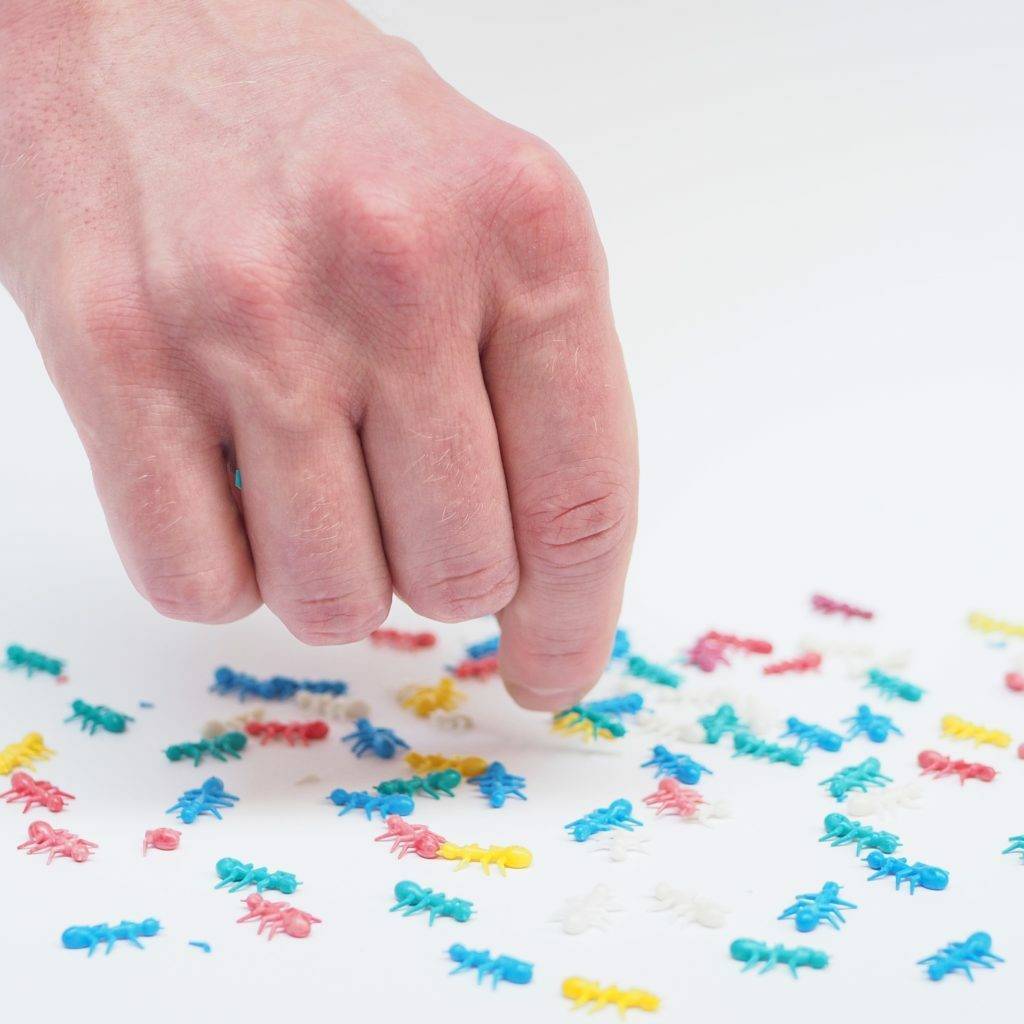
- Ants for the art project: A particularly intricate example is the production of small ants in the Micro injection molding process for an art project by Julia Bugram in public space. The ants are made from a specially adapted bioplastic mix to allow the delicate antennae to be sprayed without breaking them too easily – and to ensure that no permanent microplastics are released into the environment when the ants are washed.
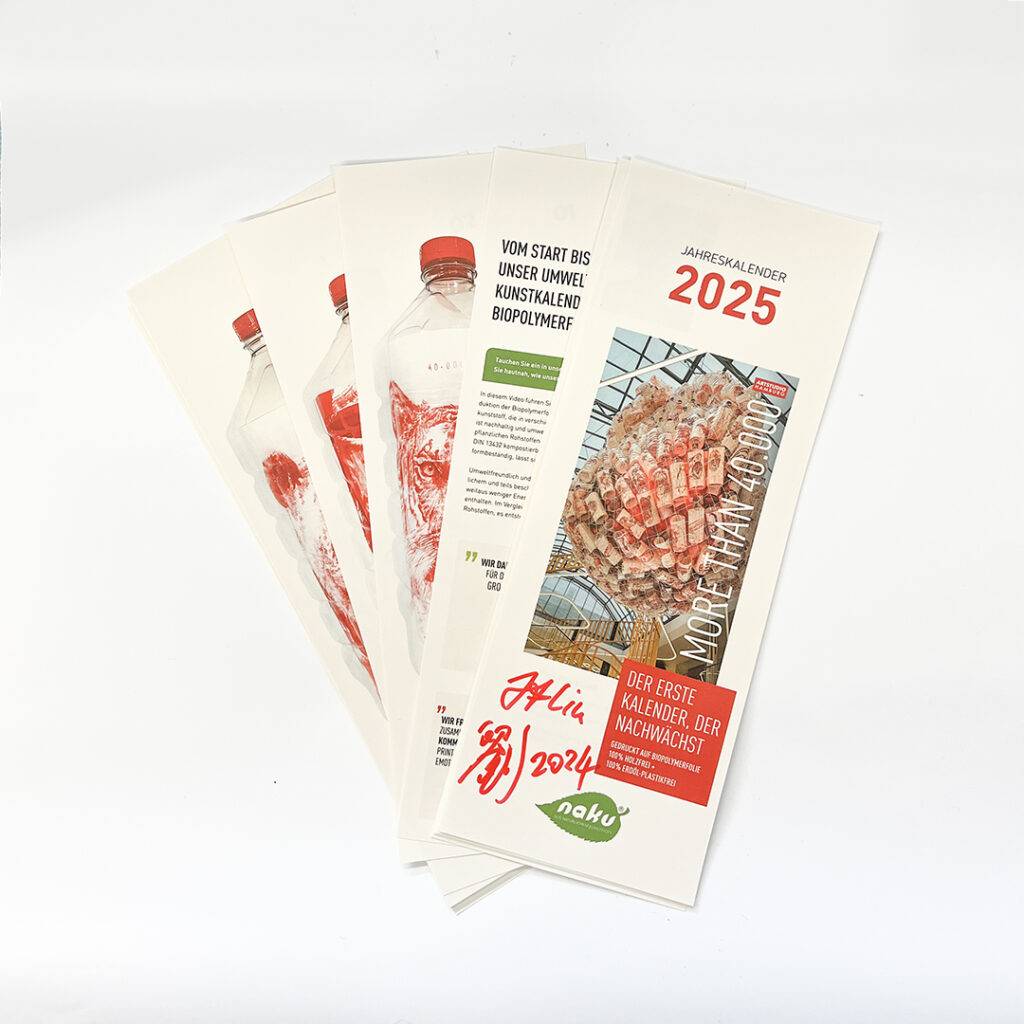
Another cultural highlight was the art calendar by more than 40.000 . This was printed on a medium-weight biopolymer film , which is ideally suited for high-quality, individual designs and makes a clear statement for sustainable brand communication.
From standard solutions to tailor-made bioplastics innovation
NaKu impressively demonstrates that sustainability and versatility can go hand in hand . Continuous research and development, from simple carrier bags to complex injection-molded components, makes the company a pioneer in the bioplastics industry.
This innovative course is not finished, but will be consistently continued: From proven standard solutions to tailor-made product and packaging solutions made of bioplastics – NaKu will continue to offer sustainable innovations for a wide variety of industries and applications.
FAQ – Frequently Asked Questions about NaKu
What distinguishes NaKu bio carrier bags from conventional plastic bags?
They are based on renewable raw materials (non-genetically modified cornstarch), are free of pollutants and fulfill a triple function: carrying, keeping fresh (especially for food) and rotting (compostable).
What are NaKu PLA bottles and cans made of?
They are made of PLA (polylactic acid), a bioplastic made from renewable resources. The bottles currently contain 20% recycled PLA (rPLA) and are free of harmful plasticizers such as BPA.
Why is the compostability of the NaKu bottle so important for the environment?
The bottle is compostable according to DIN 13432 and decomposes completely in the event of littering. This minimizes the formation of persistent microplastics in the environment.
What advantages do strong biopolymer films offer compared to conventional paper?
The films are water-resistant, tear-resistant, and dimensionally stable . Unlike paper, they are not damaged by moisture, making them ideal for long-lasting applications and outdoor use.
Can NaKu bag products be customized?
Yes, all bag products, including carrier bags, pharmacy bags or garment bags, can be individually printed to be used as advertising or branding media.
What specific products are available for the gardening and agricultural sector?
This includes the plant protection sleeves (to protect against browsing by wild animals), plant markers and labels , as well as the planting bag , all of which are made of bioplastic and are compostable.
Are NaKu bio-waste bags truly fully compostable?
Yes, they are compostable according to DIN 13432. They are optimized for the hygienic collection of organic waste and decompose later without leaving any residue.
Is it possible to have NaKu bottles manufactured in a custom shape (geometry)?
Yes, NaKu offers comprehensive customization options, including the production of custom bottle geometries , colorings , or finishing using sleeving.
What is the "sugar card"?
The Sugar Card is a bio-based card made from bioplastic. It is an alternative to conventional PVC cards (e.g., customer cards, membership cards, gift cards, or credit cards).
What specific application demonstrates the precision in injection molding?
One example is the replaceable cartridge for freemee cosmetics , in which three different bioplastic variations had to be processed in a complex injection molding process, as well as the delicate ant components in micro injection molding.
Request a quote or contact us now