Garment bags in transition: From environmental factor to renewable solution
The invisible burden: petroleum-plastic garment bags and their consequences
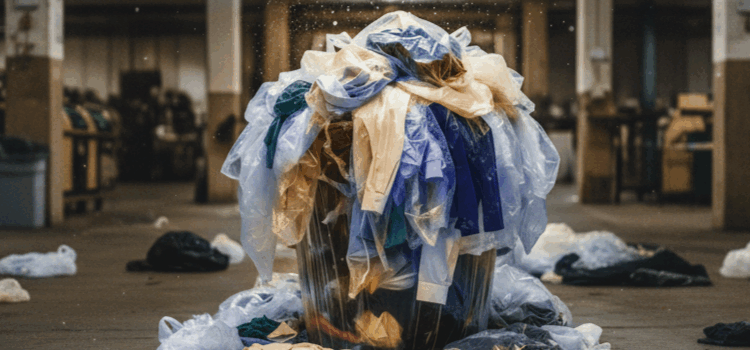
Whether in dry cleaning, fashion retail, or the transport of high-quality clothing, garment bags and garment covers are an indispensable part of everyday life in the textile industry. They protect delicate fabrics from dust, moisture, and mechanical influences. But what seems practical at first glance poses a serious environmental problem upon closer inspection: Most conventional garment bags are made of petroleum-based plastic – a material that pollutes our environment for decades.
Every year, gigantic quantities of disposable garment wraps are produced and used worldwide. These thin films, usually made of polyethylene, often end up in the trash after a single use. Only a very small portion is recycled – the majority of this fossil-based product is incinerated or stored in landfills, where it decomposes over decades or even centuries. This process creates microplastic particles that endanger soil, waterways, and living organisms.
The fashion and textile industry is one of the largest producers of petroleum-based plastic packaging waste. Countless polybags and garment covers are used for the transport and storage of clothing alone—functional, but ecologically highly problematic.
Packaging materials for clothing: Diversity with consequences
Besides classic garment bags, the textile and fashion industry uses numerous other packaging materials, each with its own ecological and functional properties. Let's take a closer look at different packaging materials for clothing:
Polybag (plastic)
Particularly widespread are so-called polybags – thin plastic packaging that protects clothing from dust and moisture and is characterized by its light weight and low cost. However, they are mostly made of petroleum-based polyethylene, are difficult to recycle, and contribute significantly to global microplastic pollution. More sustainable alternatives made from recycled materials or bioplastics are available, but not yet in widespread use.
Cardboard packaging
Another commonly used form of packaging is cardboard, especially in mail order. It offers stability, is easy to print on, and is often made from recycled material. However, it is somewhat heavier, which can negatively impact the CO₂ footprint during transport. Furthermore, it is not moisture-resistant without additional coatings. More environmentally friendly alternatives such as grass paper or FSC-certified cardboard are becoming increasingly important.
Textile covers
High-quality garments such as suits or wedding dresses often use fabric garment bags. These are made of fabric and are reusable, durable, and breathable. They convey a premium brand image but require care and are more expensive to produce. Variants made from organic cotton or recycled PET are particularly sustainable.
Non-woven and paper bags
Non-woven and paper bags are also used, for example to protect delicate textiles such as silk or knitwear. They are lightweight, often compostable, and easy to print on. Their disadvantages lie in their lower tear resistance and limited protection against moisture.
Reusable containers
In logistics, reusable plastic containers are also used, for example for supplying branches or for storage. They are robust, reusable, and allow for transport in a more compact form. However, their production is resource-intensive, especially if they are not made from recycled material. Containers made from secondary raw materials represent a more sustainable option.
This diversity shows that the choice of packaging material has a direct impact on the environment, brand image and customer loyalty.
A closer look: One possible alternative – biodegradable garment bags
Ideally, single-use packaging waste can be avoided entirely – but wherever secondary packaging is essential, renewable/compostable solutions can represent a sensible alternative.
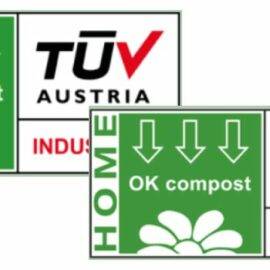
NaKu offers a future-oriented solution with its biodegradable garment bag made of bioplastic. Made from starch from European agriculture, this garment bag is compostable according to DIN EN 13432, free from harmful substances, and GMO-free. This helps conserve fossil raw material resources.
The advantages at a glance
Plant-based bioplastic – from rapidly renewable raw materials
100% compostable – rots within a few weeks
Free from plasticizers, heavy metals and microplastics
Breathable film – protects clothing and allows it to breathe at the same time
Individually printable – ideal for dry cleaners and fashion houses
The NaKu garment bag is particularly suitable for dry cleaners, dry cleaning companies, laundries, and sustainable fashion labels looking to improve their environmental footprint. By switching to renewable and biodegradable packaging solutions, companies are making an active contribution to reducing petroleum-based plastic waste.
A small bag with a big impact
The switch to "renewable" garment bags is more than a symbolic act – it's part of a desperately needed transformation of the textile industry. Every year, enormous quantities of clothing and packaging materials end up in landfills worldwide. The recycling rate is alarmingly low, and environmental pollution from microplastics and CO₂ emissions is constantly increasing. Do you have further questions about the NaKu garment bag? Contact us with your inquiry right here.
FAQ – Frequently asked questions about garment bags and garment covers
What distinguishes the NaKu garment bag from conventional garment covers?
The NaKu garment bag is made of cornstarch-based bioplastic and is fully biodegradable. Unlike conventional garment bags made of petroleum-based plastic, it does not pollute the environment with microplastics or pollutants and is compostable (DIN 13432).
For which applications is the NaKu garment bag particularly suitable?
It is ideal for dry cleaners, dry cleaners, laundries, fashion houses, and sustainable fashion labels that value more environmentally friendly packaging solutions and want to make their responsibility visible.
Can the garment bag be individually printed?
Yes, NaKu offers the option of printing the garment bag with logos or other information – ideal for companies that want to present their brand sustainably.
Why does it make sense to switch to biodegradable garment bags?
Disposable garment bags made from petroleum-based plastic contribute significantly to global pollution. With biodegradable alternatives like the NaKu garment bag, companies can actively contribute to reducing petroleum-based plastic waste and persistent microplastics.
What packaging materials are used in the fashion industry besides garment bags?
In addition to garment bags, other packaging options include polybags, cardboard packaging, textile sleeves, paper bags and reusable containers – depending on the transport route, product type and brand requirements.
Are cardboard packaging materials generally environmentally friendly?
Cardboard packaging is considered more sustainable than plastic, especially when made from recycled materials. However, it is heavier, which can lead to higher CO₂ emissions during transport.
What are the advantages of textile sleeves as a packaging solution?
Textile garment bags are durable, reusable, and convey a high-quality brand image. They are particularly suitable for exclusive garments such as suits or wedding dresses. Sustainable versions are made from organic cotton or recycled PET.
How sustainable are paper and non-woven bags?
These bags are lightweight and often compostable, but offer only limited protection against moisture and mechanical stress. Environmentally friendly alternatives such as parchment paper or kraft paper are a good choice for delicate textiles.
What role do reusable containers play in textile logistics?
Reusable plastic containers are robust and reusable, making them ideal for storage and branch deliveries. However, their production is resource-intensive – variants made from recycled plastic or secondary raw materials are more sustainable.
Request a quote or contact us now