Environmental Check 2025: The ultimate comparison of bottle materials
An overview of different bottle materials and beverage packaging
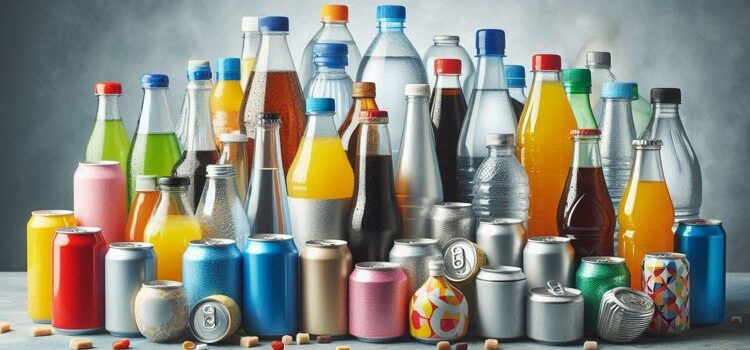
Different bottle materials: Choosing the right packaging material for beverages is a challenge that goes far beyond mere functionality. Environmental aspects, health impacts, transport efficiency, and recyclability play a central role. Each material has its merits and fulfills specific requirements – be it for carbonated beverages, hot filling, or reusable systems. There is no perfect all-round solution. Rather, it's about choosing the most sustainable and sensible option for the specific application.
The European Union has also recognized that the future of packaging does not lie in fossil raw materials. Within the framework of the European Green Deal and the new Packaging and Packaging Regulation (PPWR), it is pursuing the goal of increasingly replacing fossil materials with renewable raw materials. Bio-based plastics such as PLA play a central role in this, as they have the potential to reduce CO₂ emissions and strengthen the circular economy. One objective here is the reduction of waste and the protection of the environment through the use of recyclable, reusable, and bio-based or renewable, plant-based raw materials.
PET and rPET – The classic plastic with a microplastic risk?
PET (polyethylene terephthalate) is a petroleum-based plastic that has been the standard material for beverage bottles for decades. Its production relies on fossil fuels such as petroleum and natural gas, requiring large amounts of energy and water. Recycled PET (rPET) is made from used bottles and can significantly reduce the environmental footprint – but only if it actually remains in the recycling loop. In practice, PET is often "downcycled," for example into textile fibers, thus removing it from the bottle recycling loop.
The release of microplastics is a growing problem. Studies show that when drinking from PET bottles, tiny plastic particles can leach into the beverage – sometimes up to 240.000 particles per liter. These micro- and nanoplastic particles are suspected of causing hormonal disruptions, inflammation, and other health problems. PET also degrades very slowly in the environment and contributes to global microplastic pollution.
PET bottles are lightweight, which makes transport efficient. Nevertheless, the dependence on fossil resources and the potential health risks remain critical issues.
Glass bottles – a tradition with weight
Glass is made from natural raw materials such as quartz sand, soda, and limestone. Its production requires extremely high temperatures of up to 1600°C, making it particularly energy-intensive. Glass bottles are considered taste-neutral and safe for health, as they do not leach any substances into the beverage. In reusable systems, they can be reused many times, which improves their environmental footprint.
However, glass is heavy – a 500ml bottle weighs approximately 400 to 500g. This weight leads to increased transport emissions, especially over long supply chains. Single-use glass bottles perform particularly poorly in environmental assessments, as they must be melted down after a single use – an energy-intensive process. While glass is fully recyclable, the collection and sorting logistics are complex. Furthermore, glass is fragile, necessitating additional packaging and safety measures.
Aluminum cans – lightweight, but energy-hungry
Aluminum is extracted from bauxite, an ore whose processing is energy-intensive. The production of primary aluminum is among the most energy-intensive industrial processes worldwide. Recycling can make a significant difference here: recycled aluminum requires less energy than new production.
Aluminum cans are lightweight, sturdy, and stackable – ideal for transport. They provide an excellent barrier against light and oxygen, which extends the shelf life of beverages. However, their environmental impact is heavily dependent on recycling rates, which vary significantly depending on the country and infrastructure. In countries with good collection systems, aluminum can be a relatively sustainable option – elsewhere, it often ends up in landfills.
Another point of criticism is the inner coating of many cans, which can contain bisphenols – substances that are hormonally active and can be harmful to health. This inner coating prevents the beverage from coming into contact with the metal, protects against corrosion, and preserves the taste. However, safer coatings are now available.
Tetra Pak – The complex composite carton
Tetra Paks consist of a composite of paper fibers, polyethylene, and aluminum foil. This combination makes them lightweight and efficient for transport, as they can be stacked to save space. While the production of the paper component is relatively resource-efficient, the plastic and aluminum components significantly complicate recycling. The specific percentages of each material also vary depending on the application. Additional materials can also be used to improve the barrier properties.
Separating the materials is technically possible, but complex and expensive. Many countries lack the infrastructure to effectively recycle Tetra Paks. They are often incinerated or end up in general waste. Furthermore, the plastics used are mostly fossil-based, which negatively impacts the environmental footprint.
Tetra Paks are considered practical, but their actual sustainability depends heavily on local waste disposal logistics. Furthermore, transparency regarding their composition is often limited for consumers.
PLA and rPLA – bioplastics with future potential
PLA (polylactic acid) is a bioplastic made from renewable resources such as corn, sugarcane, or sorghum. Its production requires significantly less energy than that of fossil-based plastics and does not produce persistent microplastic particles. rPLA is made from recycled PLA and can be recycled in a closed-loop system.
PLA bottles are lightweight, durable, and food-safe. They contain no hormone-active substances or heavy metals like antimony, which can be problematic in PET bottles. PLA products also perform significantly better in the environment – they are compostable and biodegradable under industrial conditions (see DIN 13432).
To be fair, the current limitations must also be mentioned: PLA is not yet suitable for hot filling and exhibits weaknesses in its resistance to carbon dioxide. Its barrier properties against gases and liquids are not yet on par with PET or aluminum. However, intensive research is being conducted to improve these properties – both through material modification and through new additives and coating technologies.
The EU sees bio-based materials such as PLA as a key technology for the future. As part of its bioeconomy strategy and the Green Deal, it is specifically promoting the use of renewable raw materials in order to reduce dependence on fossil resources.
PLA is also very easy to recycle . You can learn more about this in this video.
The NaKu PLA/rPLA bottle – sustainability in practice
The NaKu PLA/rPLA bottle is made from 100% plant-based PLA and already contains 20% recycled PLA. The bottle is compostable and does not produce permanent microplastics. Thanks to its light weight, it saves CO₂ during transport and is safe for human health. The NaKu bottle is an example of how innovative materials can sustainably transform the world of packaging – with the aim of conserving resources and reducing environmental impact. It is already available in large quantities for major customers in the beverage industry/beverage manufacturers and bottlers, but also in household quantities.
FAQ – Frequently asked questions about beverage packaging and the sustainability of bottle materials
Why isn't there one perfect bottle material?
Each material has specific advantages and disadvantages – be it in terms of weight, recyclability, transport emissions, or health aspects. The ideal solution depends on the intended use, for example, whether a product is hot-filled or carbonated.
What is the difference between PET and rPET?
PET is made from fossil raw materials, while rPET comes from recycled PET bottles. rPET reduces resource consumption, but is often not processed into new bottles; instead, it is "downcycled" into textile fibers.
How dangerous is microplastic from PET bottles?
Studies show that micro- and nanoplastic particles can leach into beverages when drinking from PET bottles. These particles are suspected of causing health problems such as hormonal imbalances or inflammation.
Why are glass bottles considered environmentally friendly?
Reusable glass bottles can be reused many times. However, their production is very energy-intensive and their high weight causes high transport emissions.
Is aluminium a sustainable packaging solution?
Aluminum is lightweight and easily recyclable – if it is collected. Its production from bauxite is extremely energy-intensive, but recycling saves a significant amount of energy. However, the inner coating can contain substances that are hazardous to health.
What are the problems with recycling Tetra Paks?
Tetra Paks are made of paper, plastic, and aluminum. This combination of materials makes recycling difficult, as the components have to be separated in a complex process. In many countries, the necessary infrastructure is lacking.
What is PLA and how is it manufactured?
PLA is a bioplastic made from renewable resources such as corn or sugarcane. Its production requires less energy than fossil-based plastics and does not produce permanent microplastics.
What disadvantages does PLA currently have?
PLA is currently unsuitable for hot filling and exhibits weaknesses in its resistance to carbon dioxide. Its barrier properties are not yet on par with PET or aluminum, but intensive research is underway.
What makes the NaKu PLA/rPLA bottle particularly sustainable?
The NaKu bottle is made from 100% plant-based PLA and already contains 20% recycled material. It is compostable, microplastic-free, and exceptionally lightweight – ideal for environmentally friendly transport and healthy use.
Request a quote or contact us now