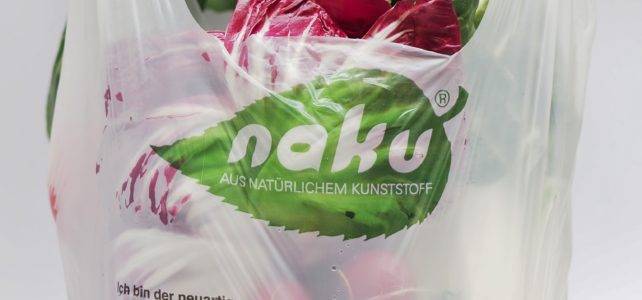
In 2020, a ban on plastic bags came into effect throughout Austria. Very lightweight, biodegradable plastic carrier bags are exempt from the ban. You can easily purchase our solution via our webshop: NaKu lightweight carrier bag.
NaKu at ORF III - The plastic bag dilemma
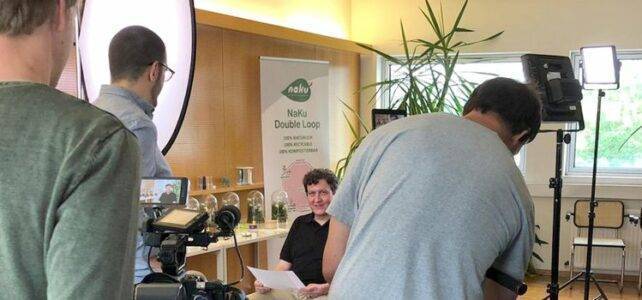
On March 1, 2021, at 20:15 p.m., ORF III broadcast a report on the topic of plastic bags. The camera crew had visited us in June 2020.
Fraud with organic bags: How to protect yourself from counterfeits!

The demand for environmentally friendly packaging is rising, but unfortunately, so is the number of counterfeit products. Biodegradable bags are meant to be a genuine alternative – but only if they deliver on their promises!
NaKu Corporate Brochure 2025 – Natural. Sustainable. Forward-looking.
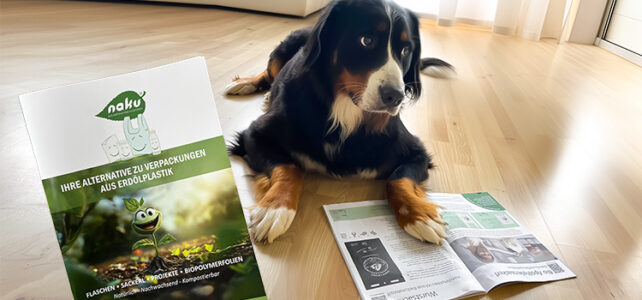
The new 2025 company brochure showcases a wide range of products, projects, and innovations made from bioplastics.
Natural plastic - the NaKu plastic cross

Natural plastic – the NaKu plastic cross The different definitions for
Why natural plastic is the future

Advantages of natural plastic Bioplastic/natural plastic and its advantages The
Rotting/composting of natural plastic or bioplastic
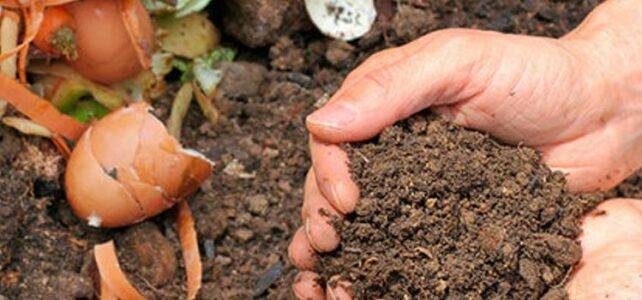
Rotting/composting of natural plastic or bioplastic The life cycle of bioplastic
NaKu on the Circular Academy Podcast
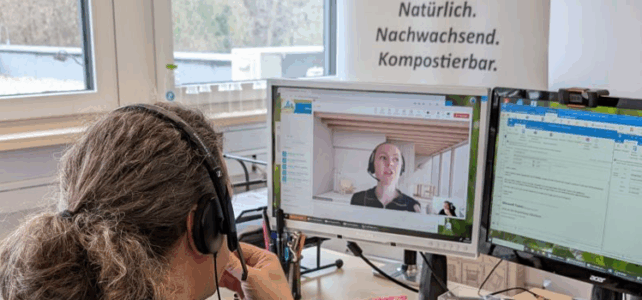
This podcast focuses on very interesting topics from the field of bioplastics.
Barrier tapes and flutter tapes: Indispensable – but how harmful are they to the environment?

Are barrier tapes, flutter tapes and marking tapes an underestimated environmental problem?
The best comparison: Which map materials are truly sustainable?
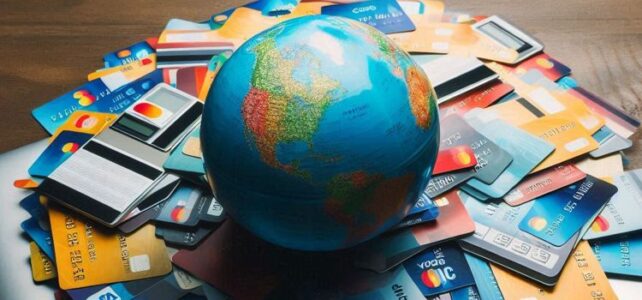
Whether credit cards, employee ID cards, fuel cards, or ski passes – most of these cards are made of polyvinyl chloride (PVC), a plastic made from petroleum and chlorine. While PVC is durable and cost-effective, it also poses highly ecological concerns.
Environmental check: The 5 best sustainable plant pots compared

Plant pots: While clay pots or simple plastic pots were mostly used in the past, today there are a variety of alternatives: from recycled materials to fleece and textile variants to innovative solutions made of bioplastic.
Environmental Check 2025: The ultimate comparison of bottle materials
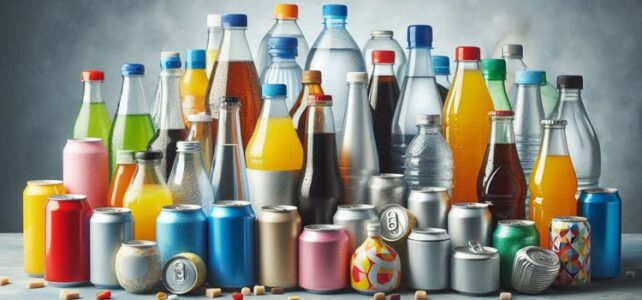
Choosing the right packaging material for beverages is a challenge that goes far beyond mere functionality. Environmental aspects, health impacts, transport efficiency, and recyclability all play a crucial role.
Stop climate change: How to achieve truly sustainable forest conversion

Reforestation alone is not enough. The young trees must be protected – from browsing animals, competing vegetation, and mechanical damage. This is where tree protection sleeves come into play.
Dog poop bags – a small product with big environmental consequences

Most dog poop bags are made of polyethylene (PE), a petroleum-based plastic. And this is precisely where the environmental problem begins. But there are alternatives.
The forest of tomorrow: How sustainable tree protection is revolutionizing forest conversion

For forest owners, switching to bio-based and biodegradable resources is not just a moral decision for nature conservation. It is an investment in efficiency.
Thinking about sustainability holistically: That's why organic juices don't belong in petroleum-based plastic.

The demand for organic juices and natural drinks is constantly growing, and with it the expectations of consumers: The product should not only be of high quality, but also meet the highest ecological standards throughout the entire value chain.
Success in harmony with nature: The roadmap to sustainable gardening
Consumer demands for environmental sustainability and resource conservation are constantly increasing. Nurseries and horticultural businesses striving for future-proof and environmentally conscious practices can take action in various areas.
Bags, pouches, sacks, carrier bags that grow back

NaKu relies on plant-based starch from European, non-GMO agriculture. This results in breathable, water-resistant bags that are free of pollutants and plasticizers and compostable according to DIN EN 13432 – without permanent microplastics.
No more half measures: How the multifunctional promotional bag takes your sustainability communication to the next level

No more half measures: How the multifunctional promotional bag takes your sustainability communication to the next level
From field to packaging: How organic farms can become even more sustainable
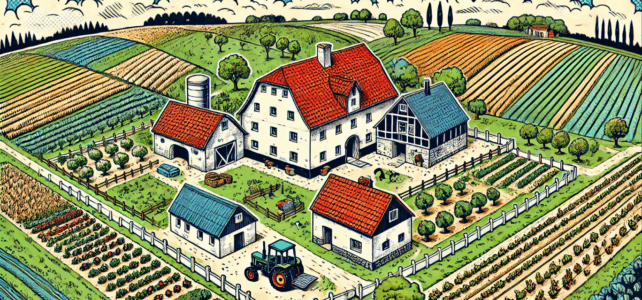
In the face of global challenges such as food waste, plastic pollution and resource scarcity, organic farmers and organic retailers must continuously seek innovative ways to optimize their processes and seamlessly close the sustainability chain all the way to the end customer.
Sustainable from cultivation to reforestation: Innovative bioplastic solutions for forestry

To make our forests fit for the future, forestry, forestry companies, forest farmers and tree nurseries alike must switch to sustainable methods and environmentally friendly materials.
Green Events: How to achieve the transformation with organic plant-based products
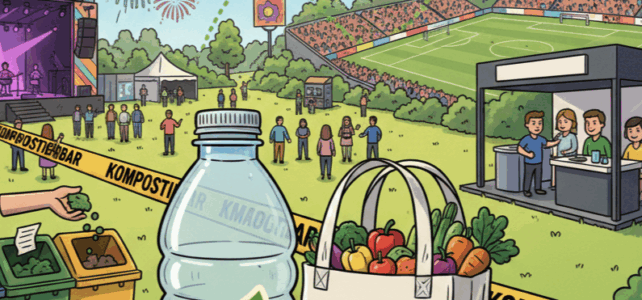
The path to a Green Event leads through the consistent replacement of fossil materials with innovative solutions made from plant-based raw materials.
Green Fashion: How the fashion industry is becoming sustainable

Green Fashion: How the fashion industry is becoming sustainable. From linear to circular thinking: The transformation in the fashion industry.
Investment or quick win? How hotels can make the fast and smart transition to sustainability.

Sustainability is more than just a trend today – it's a key competitive factor in the hotel industry. Guests increasingly value ecological and social responsibility and are often willing to pay a higher price for it.
The big comparison: 5 sustainable carrier bag alternatives
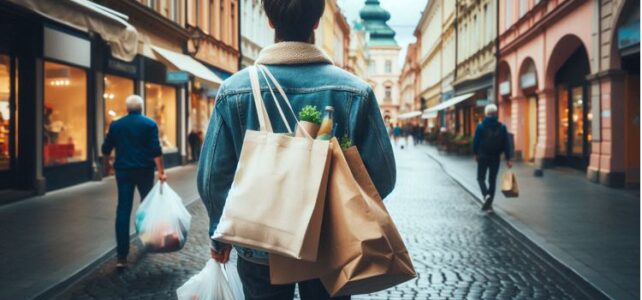
The landscape of carrier bags is diverse. Each material brings specific properties – and not all are as environmentally friendly as they appear at first glance.
Martina Gleissenebner-Teskey’s WALK4FUTURE is entering its second round!
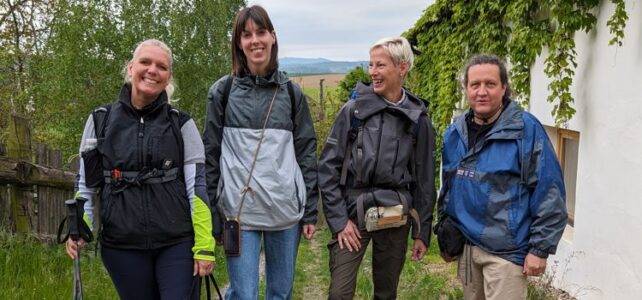
After the eventful and successful WALK4FUTURE 2024 under the motto “REthink Fashion”, Martina Gleissenebner-Teskey has decided to once again set a strong example for more sustainability and environmental awareness in the fashion industry this year.
Shooting day at NaKu for the ORF 2 car magazine Autofocus
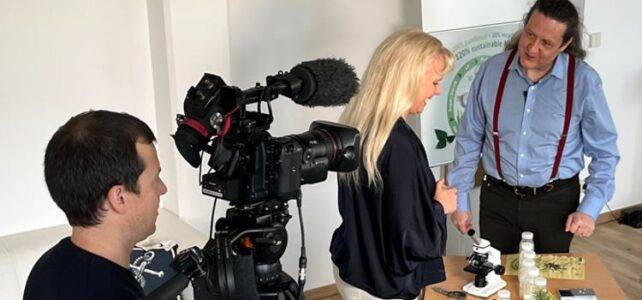
TV shoot at NaKu for the ORF 2 car magazine Autofocus on the topic of sustainability in mobility with Tom Trabitsch.
How can that be? The 120% sustainable NaKu PLA bottle – is more than 100% sustainability possible?
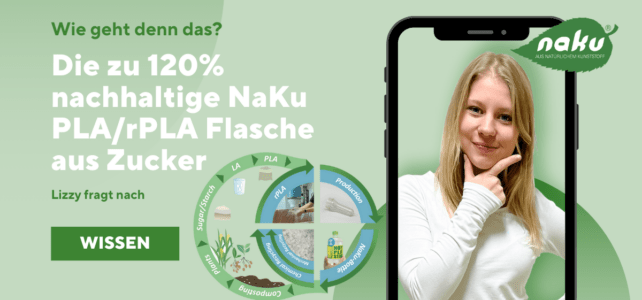
Lizzy speaks directly with Johann Zimmermann from NaKu to learn more about the 120% sustainable NaKu PLA bottle
LVA Further Education – The new “green” FCM
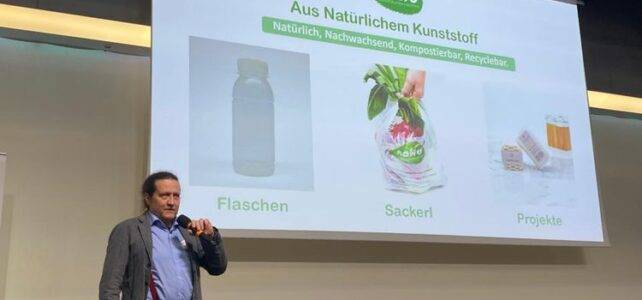
A very interesting seminar at LVA GmbH on November 27.11.2024th, XNUMX, where our managing director Johann Zimmermann will also give a talk: The new “green” FCM.
Johann Zimmermann in an interview with vegconomist – The vegan business magazine
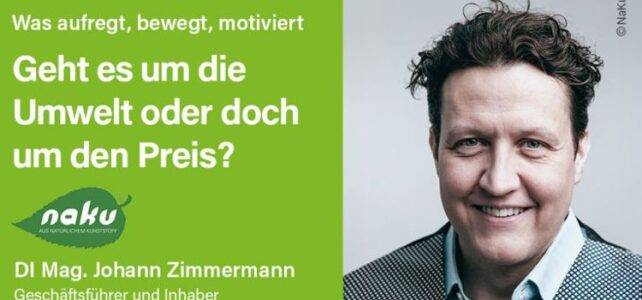
DI Mag. Johann Zimmermann, managing director and owner of NaKu, sees the price difference between plant-based and conventional packaging as a particular challenge.
The new NaKu company brochure
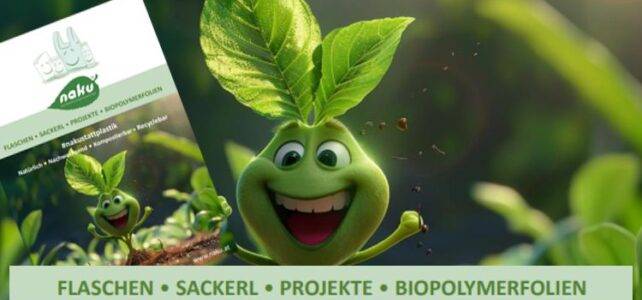
The new NaKu company brochure with lots of information about bioplastics is here!
Lizzy asks: The creation of microplastics and the dangers
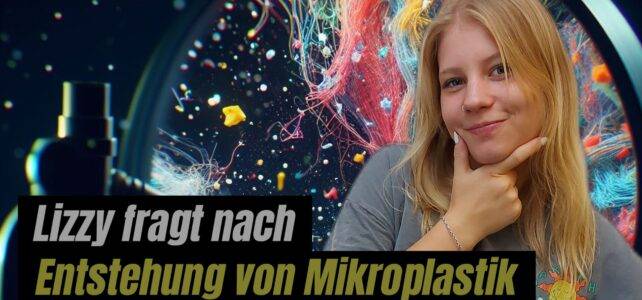
Ass.Prof. Mag. Dr.rer.nat. Christian Zafiu from the BOKU Institute for Waste and Circular Management talks about the creation of microplastics and the dangers.
Microplastics and nanoplastics in PET bottles?!
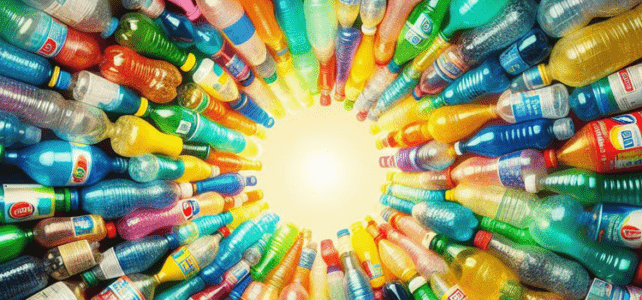
From the media: Ingestion of microplastics and nanoplastics by drinking from PET bottles
The 120% sustainable NaKu PLA bottle

Can something be more than 100% sustainable? You can read here how the new NaKu PLA bottle achieves this.
NaKu wins the Energy Globe Award Austria in the Earth category
NaKu wins the Energy Globe Award Austria in the Earth category
Nominated 3 times for the Energy Globe

We are nominated for the Energy Globe federal state, Austria and worldwide!
Voting Energy Globe Austria
We have been nominated for the Energy Globe Austria with our organic plant bag!
Sustainability Action Days 2021
NaKu is part of the Sustainability Action Days 2021 with two video contributions!
NaKu as an example of ecological management
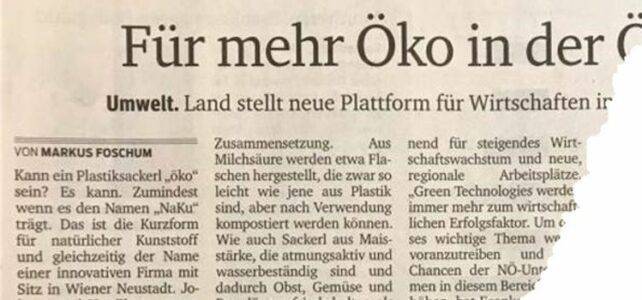
The state of Lower Austria presents a new platform. And NaKu is there!
Bioplastic - Is bioplastic the environmental solution for the world?
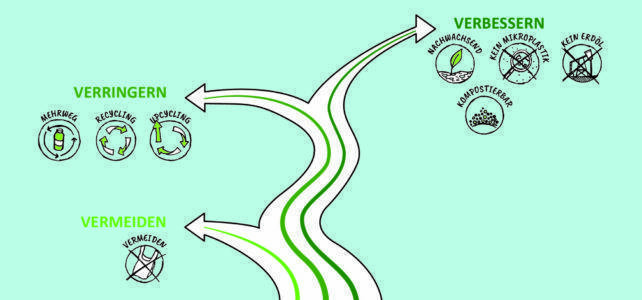
Bioplastics – Is bioplastic the environmental solution for the world?
Waste less food! Use NaKu bioplastic bags!
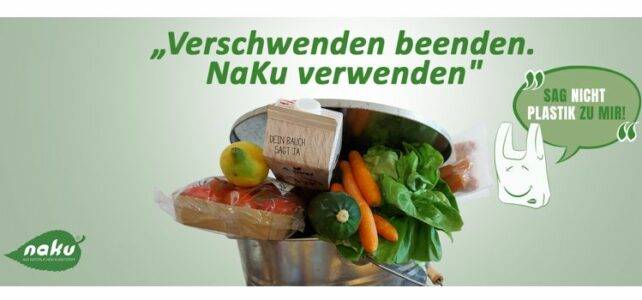
Bags made of natural plastic from NaKu keep food fresh longer
The pan-European BLOOM project
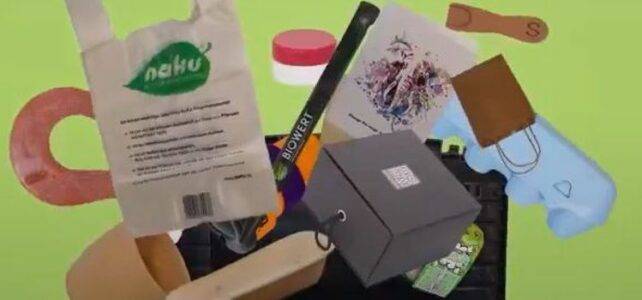
The Europe-wide BLOOM project A great European project – the
Super simple contribution to bee protection - NaKu is now a bee sponsor
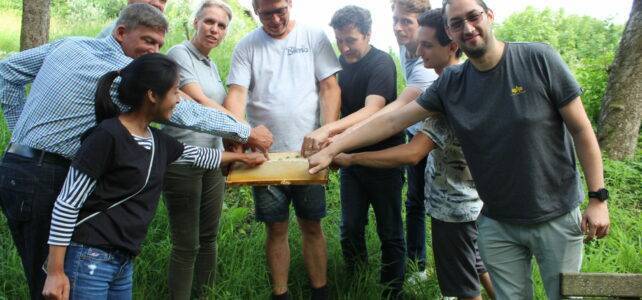
Super simple contribution to bee protection - NaKu is now a bee sponsor
Bioplastic - What is it?
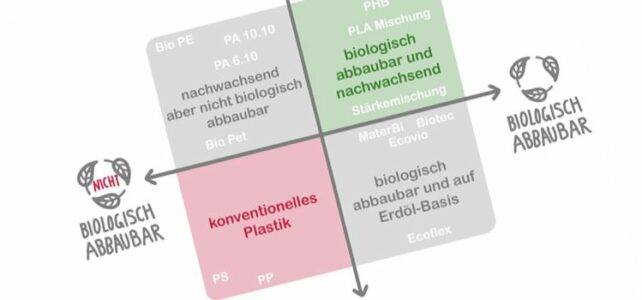
Bioplastic – What is it? How does bioplastic differ?
Article about NaKu in the Kronen Zeitung
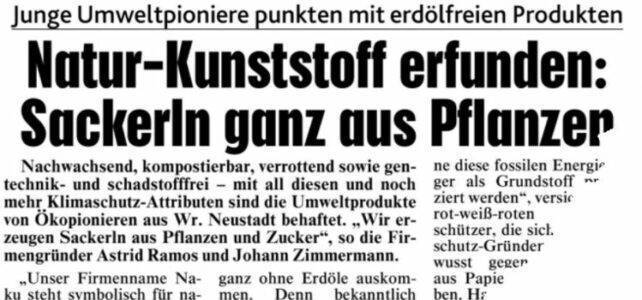
Article about NaKu in the Kronen Zeitung Organic and environmentally friendly
Plastic bag ban worldwide
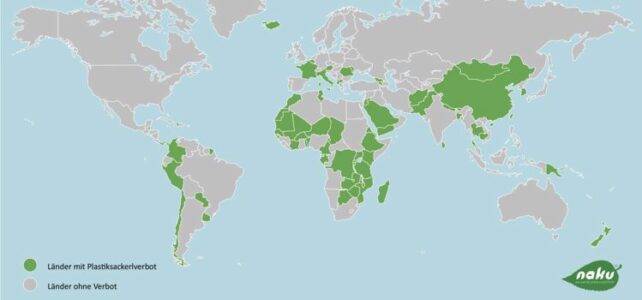
Plastic bag ban worldwide Plastic bag ban – The global overview map The plastic bag ban in international comparison
For you and for the environment!
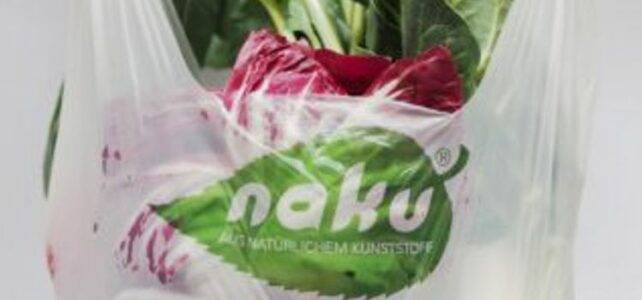
For you and for the environment! Products made from bioplastics. For
Don't call me plastic!
Don't call me plastic! The NaKu information campaign We have
Short article for LIFEART and BUSINESSART

Short article for LEBENSART and BUSINESSART NaKu Managing Director Johann Zimmermann was